About the game
Dungeon Keeper flipped a decade of fantasy gaming on its head: the plucky heroes tunnelling into the dungeon are the invaders, and you are the darkness they're invading. As a disembodied evil, you order imps to dig out halls, lay down lairs, hatcheries and torture chambers, and lure monsters — from beetles and warlocks to horned reapers with anger-management issues — to live, train and fight under your (loosely obeyed) command.
The brilliance is that villainy runs on housekeeping. Creatures demand food, wages, sleep and entertainment; unpaid trolls riot, cramped dark elves sulk and leave. Your hand is literally in the game — a giant claw that slaps minions to work faster, drops them into battles, and casts spells from lightning to the possession ritual that lets you inhabit any creature and stalk your own corridors in first person.
Arriving as Peter Molyneux's last Bullfrog design, it fused god game, RTS and management sim into something still essentially unrepeated, wrapped in the blackest comedy the studio ever wrote. "It's good to be bad" was the tagline; the systems earned it.
Why it matters
Dungeon Keeper invented the reverse-dungeon genre and proved player-as-villain could drive mainstream design — a fusion of management, RTS and possession-driven action still unmatched.
Technical notes
Real-time 3D-accelerated dungeon rendering with hundreds of autonomous creatures, plus a first-person possession mode inside the same simulation. The archive documents DOS and Windows releases.
Files & downloads
VG90 is a reference and discovery archive. We do not host game files; download buttons lead to the external source listed for the entry.
Download// Keep exploring
Similar Games
 1997
1997
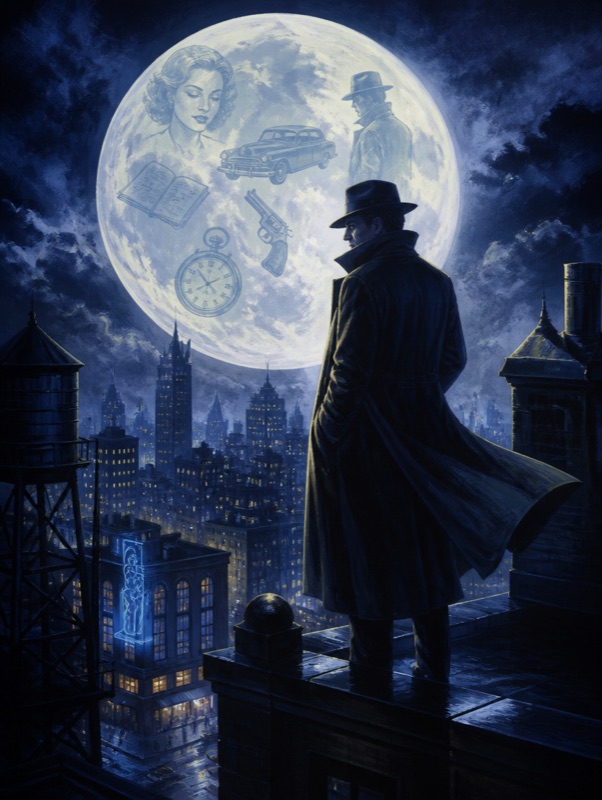
Moonlight Detective
DiscRunner CD
A jazz-scored rooftop noir on CD: interview the city between midnight and dawn, and watch…
View details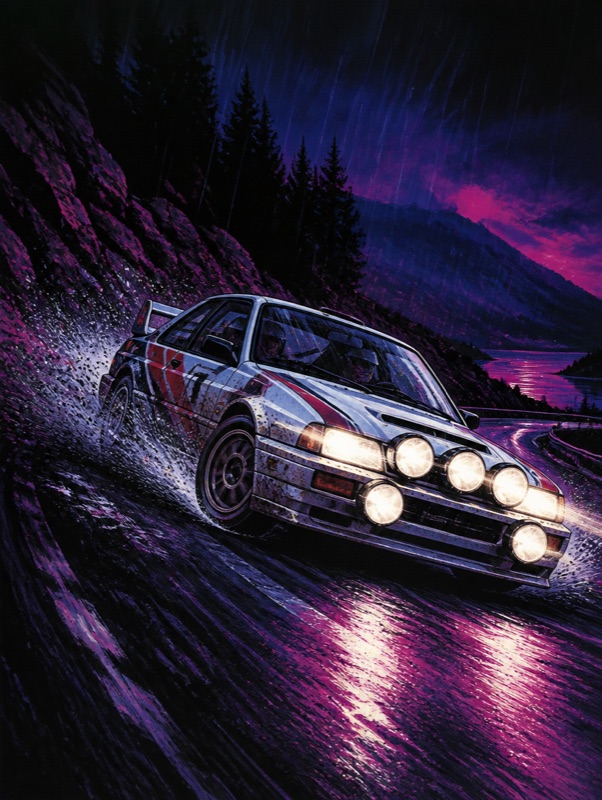 1997
1997
Turbo Rally Night
DiscRunner CD
Night-only rally racing on CD: co-driver voice calls, headlight physics and stages that…
View details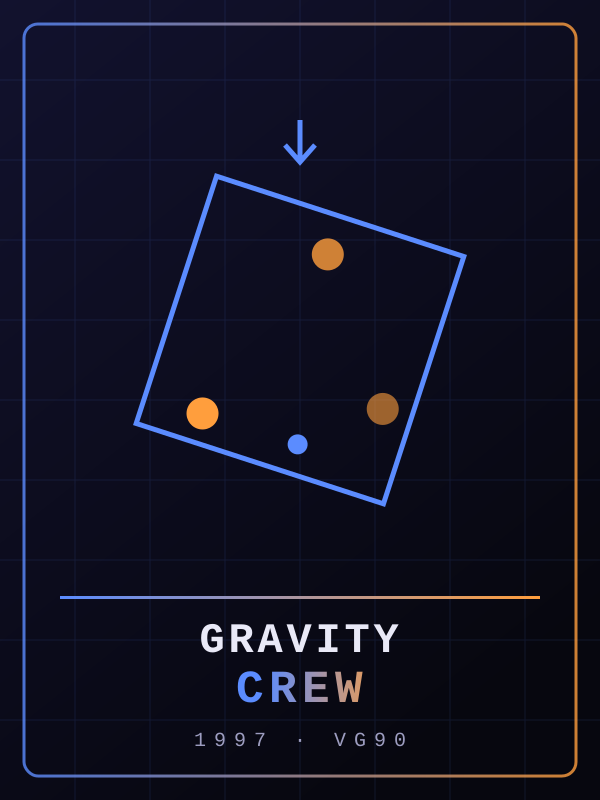 1997
1997
Gravity Crew
Vectra 32
A puzzle-platformer aboard a derelict station where "down" is a tool: rotate gravity per…
View details 1997
1997
Darklight Conflict
DOS SEGA Saturn
VG90 catalogues Darklight Conflict (1997), a release from the leap into 3D for DOS, SEGA…
View details