// Editorial
Retro Gaming Stories
Essays on the machines, the culture and the craft of the golden age.
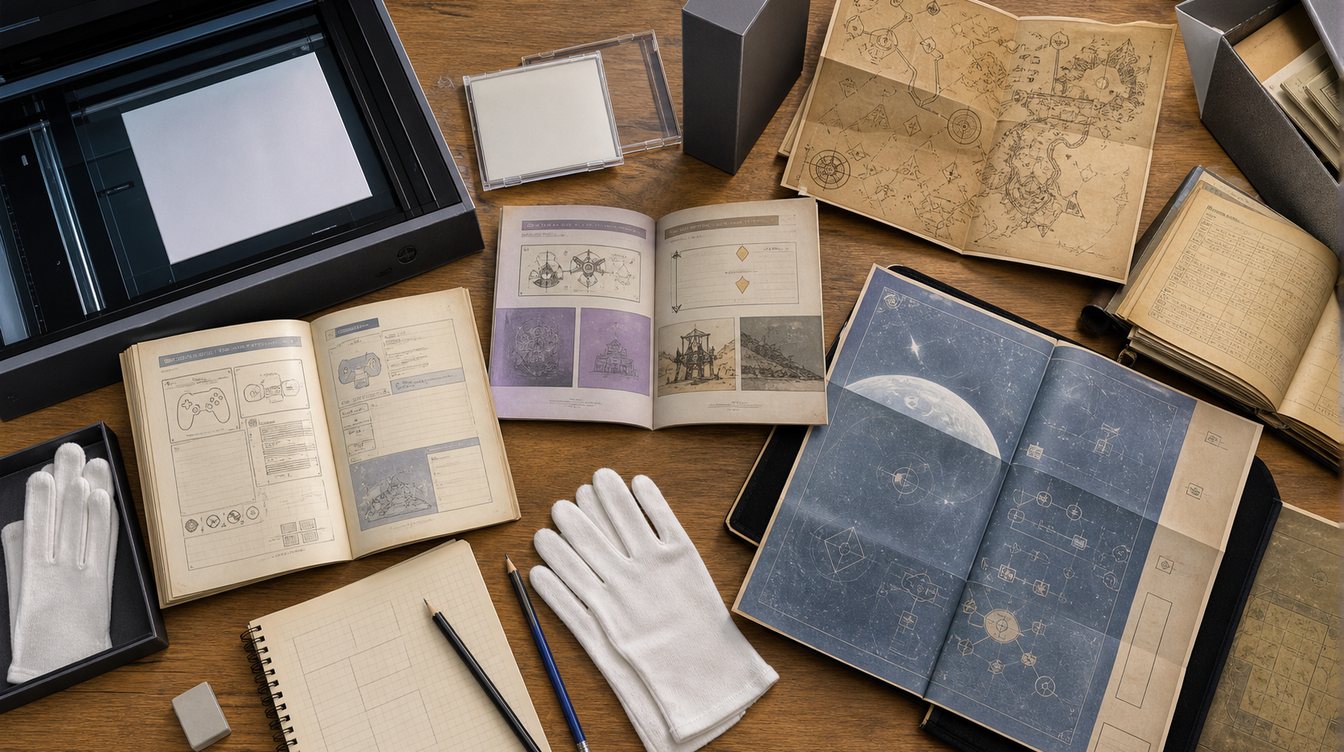
Game Manuals and Maps: Why Retro Documentation Still Matters
Game manuals, maps, hint books and reference cards preserve controls, story, copy protection and context that software files alone cannot explain.
Read the story →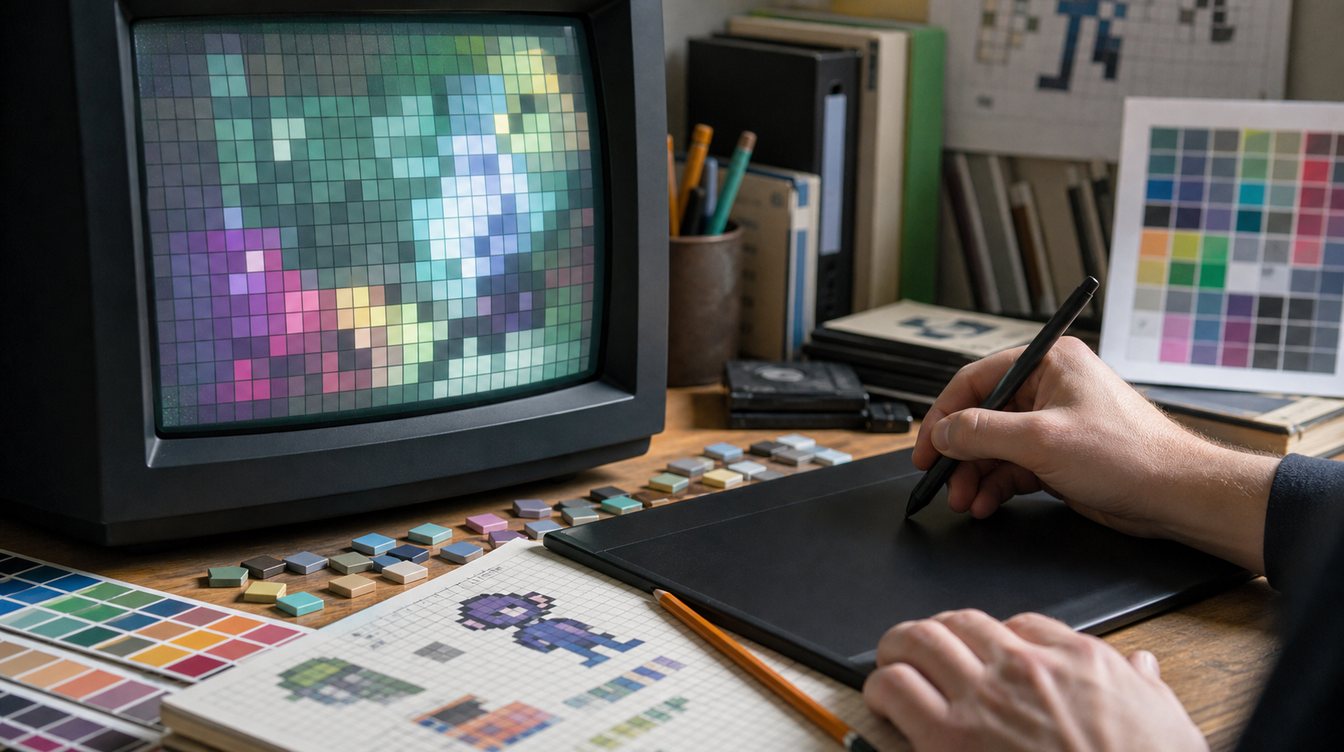
Pixel Art Games: How 90s Limits Created Strong Visual Design
Pixel art games used low resolution, limited palettes and careful animation to create readable worlds that still influence modern retro-inspired design.
Read the story →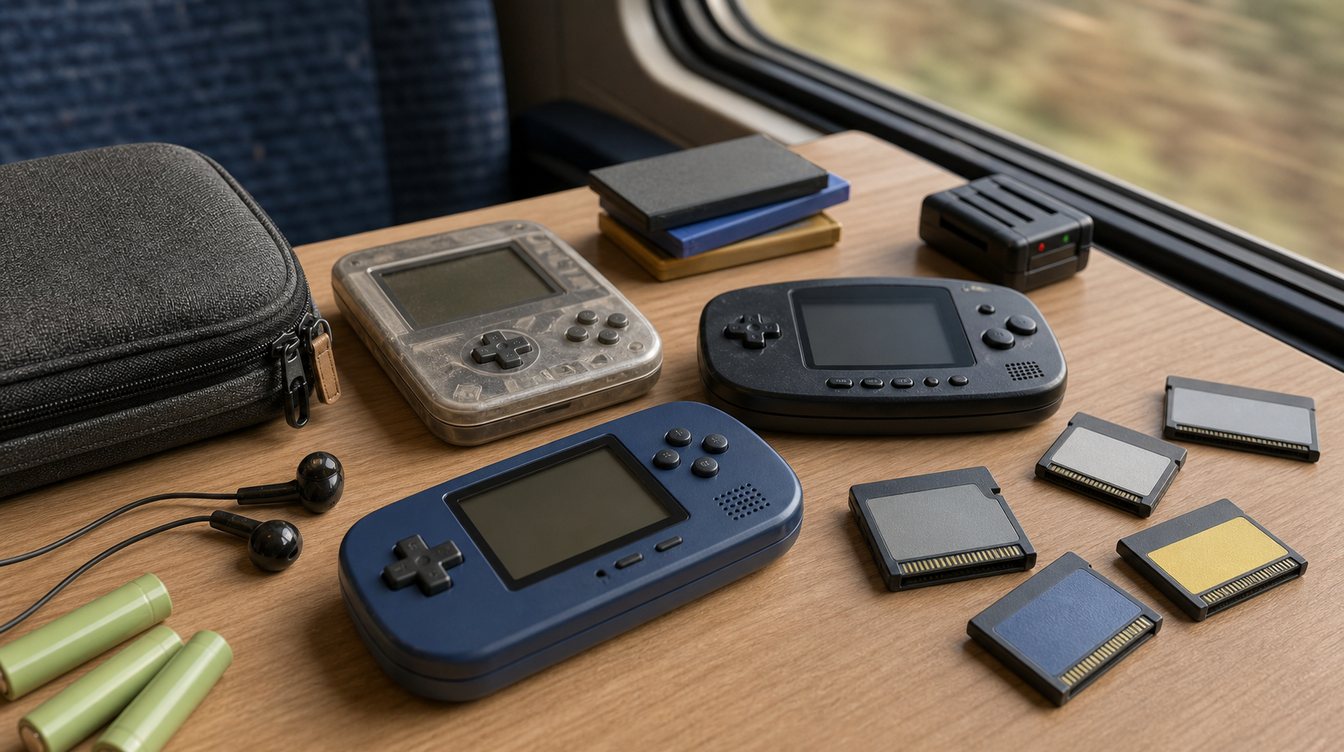
Handheld Retro Games: Portable Play Before Smartphones
Handheld retro games shaped portable play through cartridges, batteries, small screens, travel habits and design built for short sessions.
Read the story →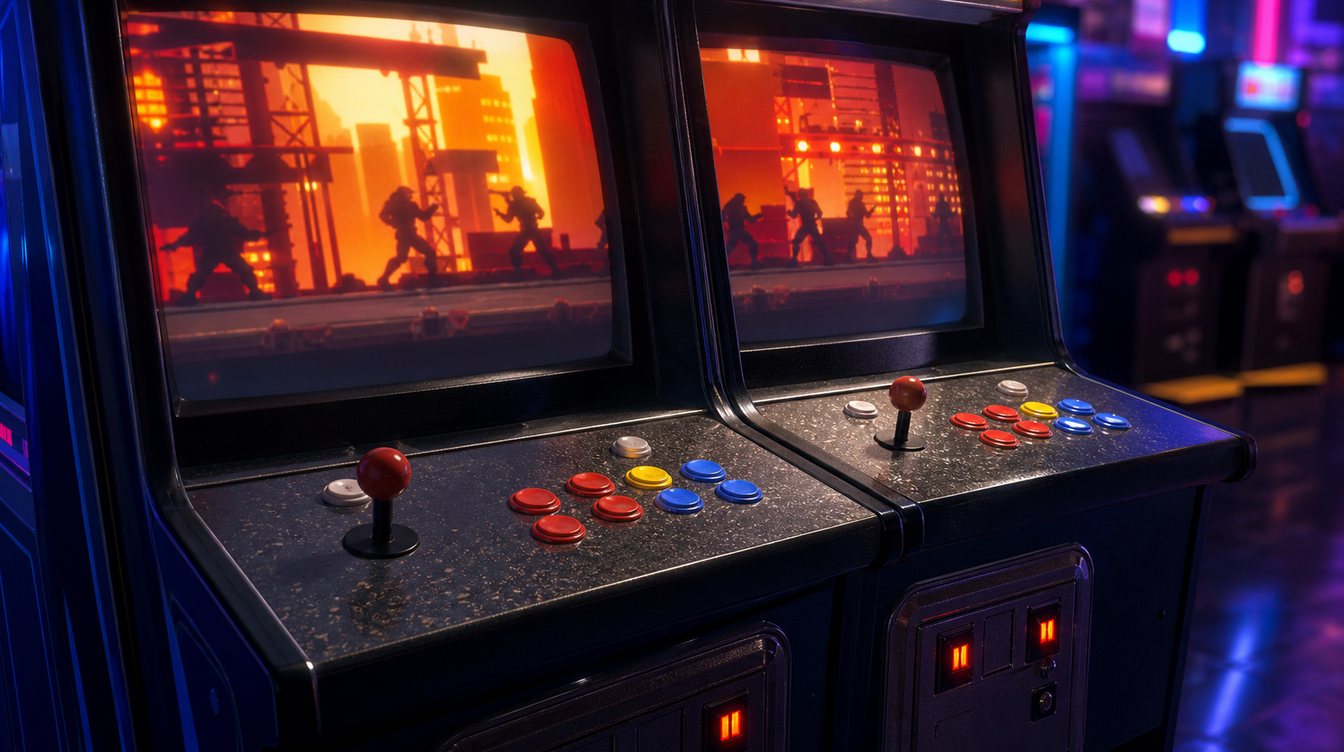
Arcade Beat Em Up Games: Co-Op, Cabinets and Short-Session Design
Arcade beat em up games turned local co-op, readable action and short-session pacing into one of the most memorable forms of retro multiplayer.
Read the story →
Retro Horror Games: Atmosphere Before High-Definition Graphics
Retro horror games used fixed cameras, fog, sound, limited visibility and careful pacing to build fear long before modern high-definition detail.
Read the story →
90s Platform Games: Level Design, Timing and the Language of Jumps
90s platform games built a design language around jumps, hazards, collectibles, scrolling screens and readable level layouts across consoles and PCs.
Read the story →
Classic Strategy Games: RTS, 4X and Turn-Based Design in the 90s
Classic strategy games grew into RTS, 4X, tactical and turn-based forms during the 90s, making PC gaming a home for planning, systems and long campaigns.
Read the story →
90s Racing Games: Arcade Speed, PC Simulation and the Feel of Control
90s racing games split between arcade speed and simulation depth, creating a genre shaped by controllers, physics, tracks, hardware and player expectations.
Read the story →
Retro Game Music: Sound Cards, MIDI and the 90s PC Audio Race
Retro game music changed dramatically as PC sound cards, MIDI modules, CD audio and tracker music competed to define the sound of the 90s.
Read the story →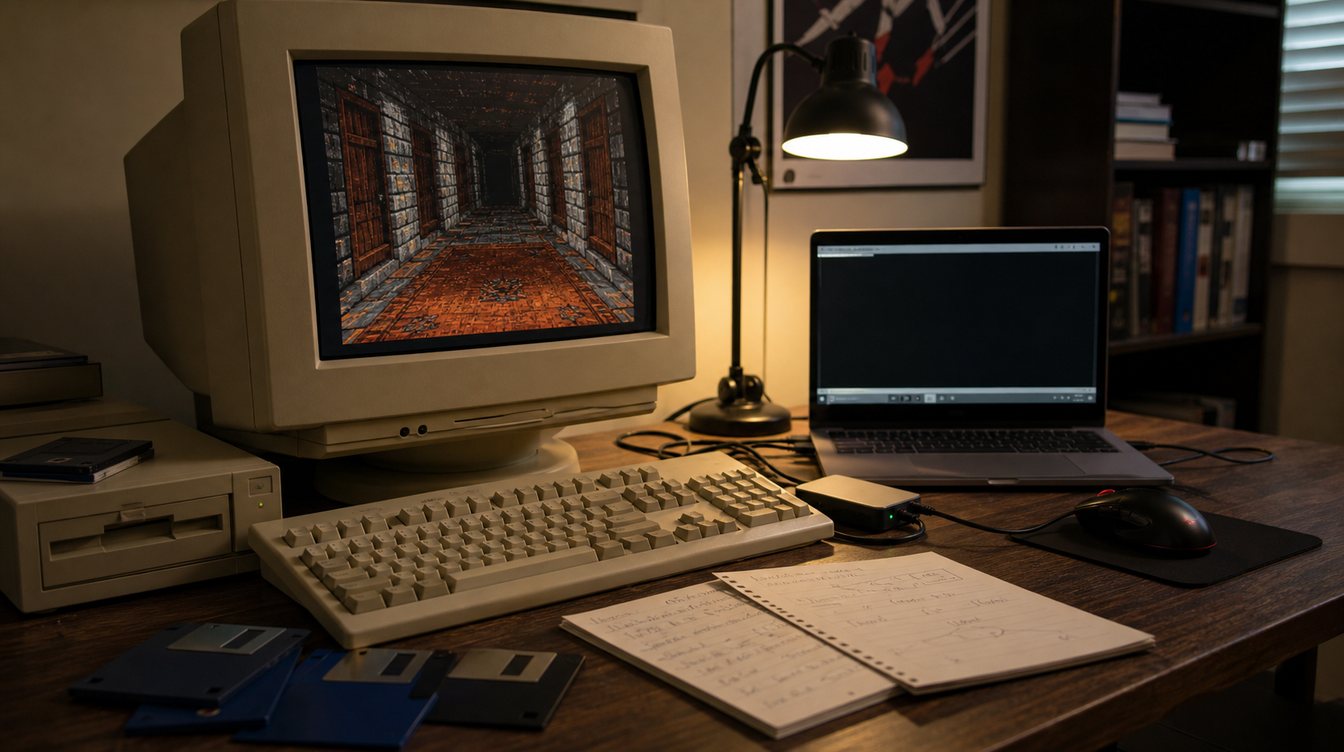
DOS Emulation for Retro PC Games: Compatibility, Controls and Context
DOS emulation helps modern players revisit classic PC games, but the best experience depends on compatibility notes, controls, manuals and platform context.
Read the story →
Why Game Metadata Matters: Release Years, Platforms, Screenshots and Context
Game preservation is not only files. Release years, platform names, screenshots, credits, regions and legal status make retro games searchable and…
Read the story →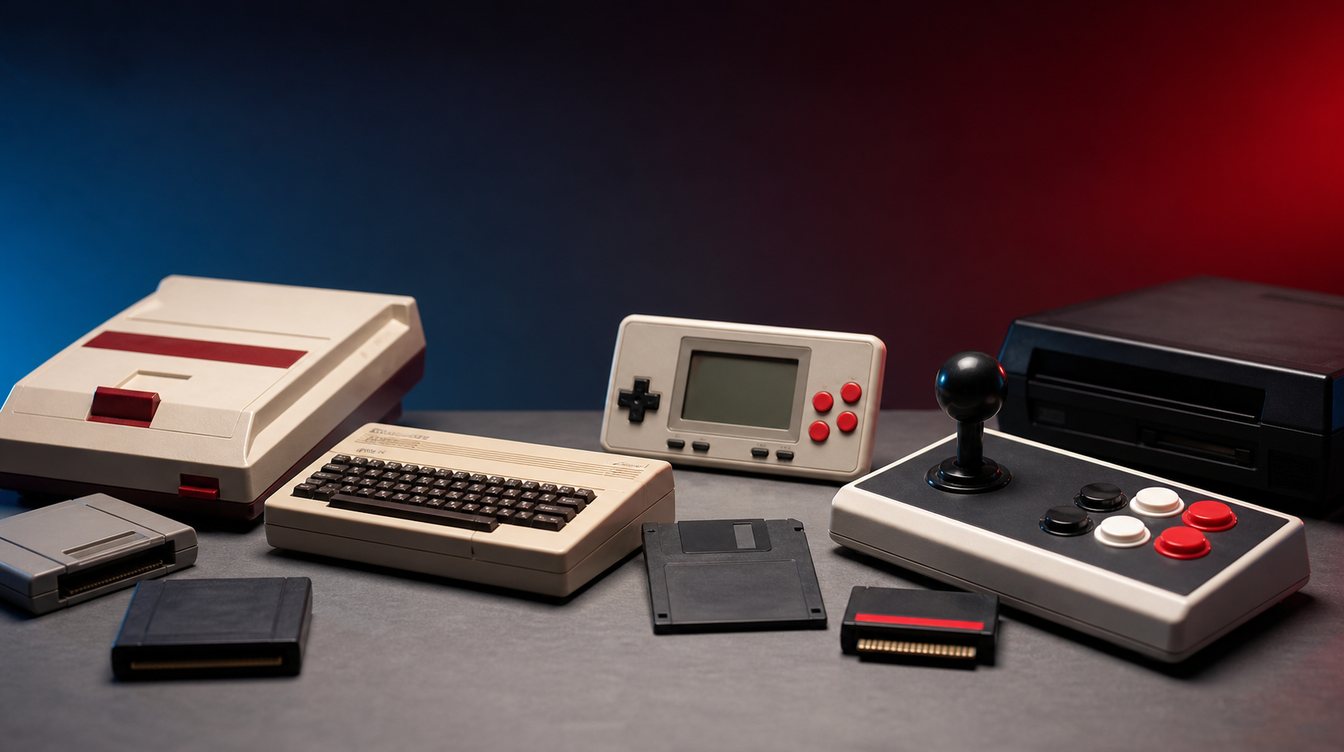
Retro Game Platforms Guide: DOS, Amiga, SNES, Genesis, Arcade and More
A search-friendly guide to retro game platforms and why platform metadata matters for DOS, Amiga, Windows, SNES, Genesis, arcade boards and handheld systems.
Read the story →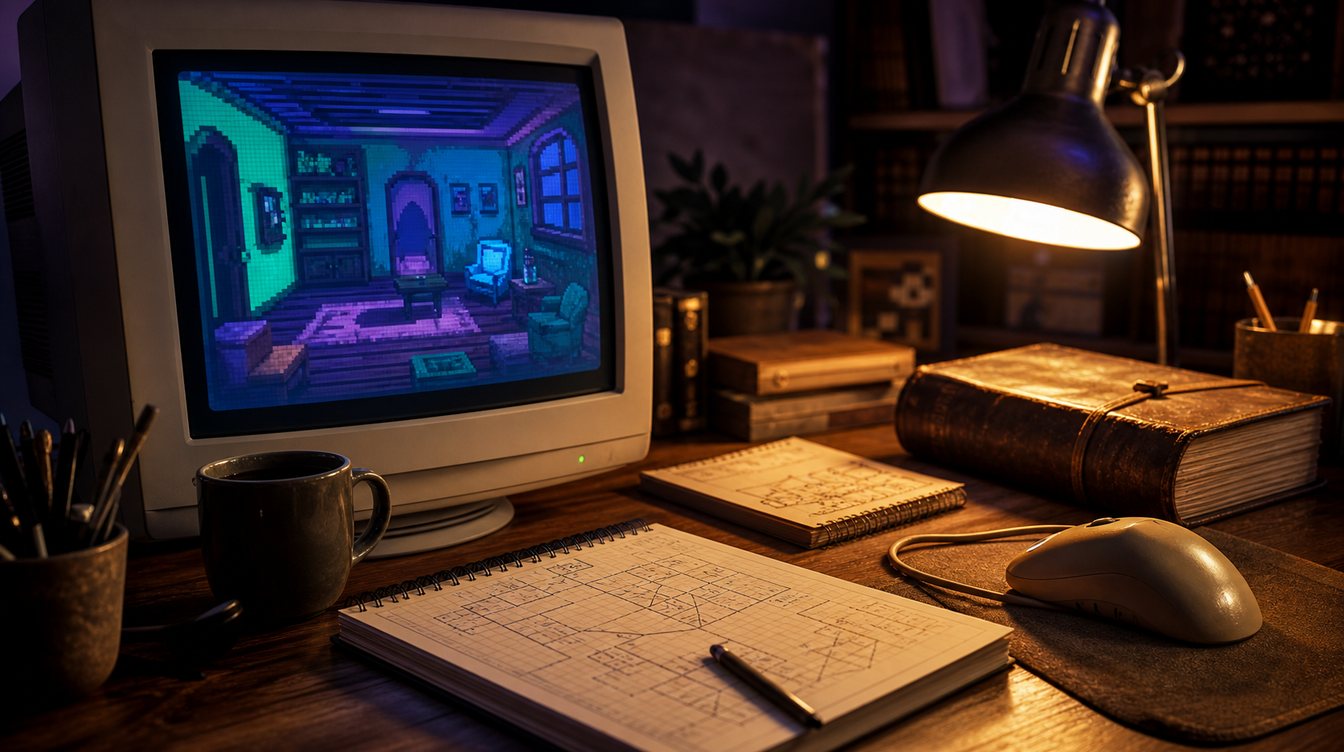
Classic 90s Adventure Games: Puzzles, Writing and Point-and-Click Design
Classic 90s adventure games were built on writing, interface design, puzzle logic and atmosphere. Here is why point-and-click games remain searchable and…
Read the story →
How to Find Legal Retro Game Downloads Without Guesswork
A practical guide to legal retro game downloads: official re-releases, freeware, public domain, open source projects, homebrew and rights-holder-approved…
Read the story →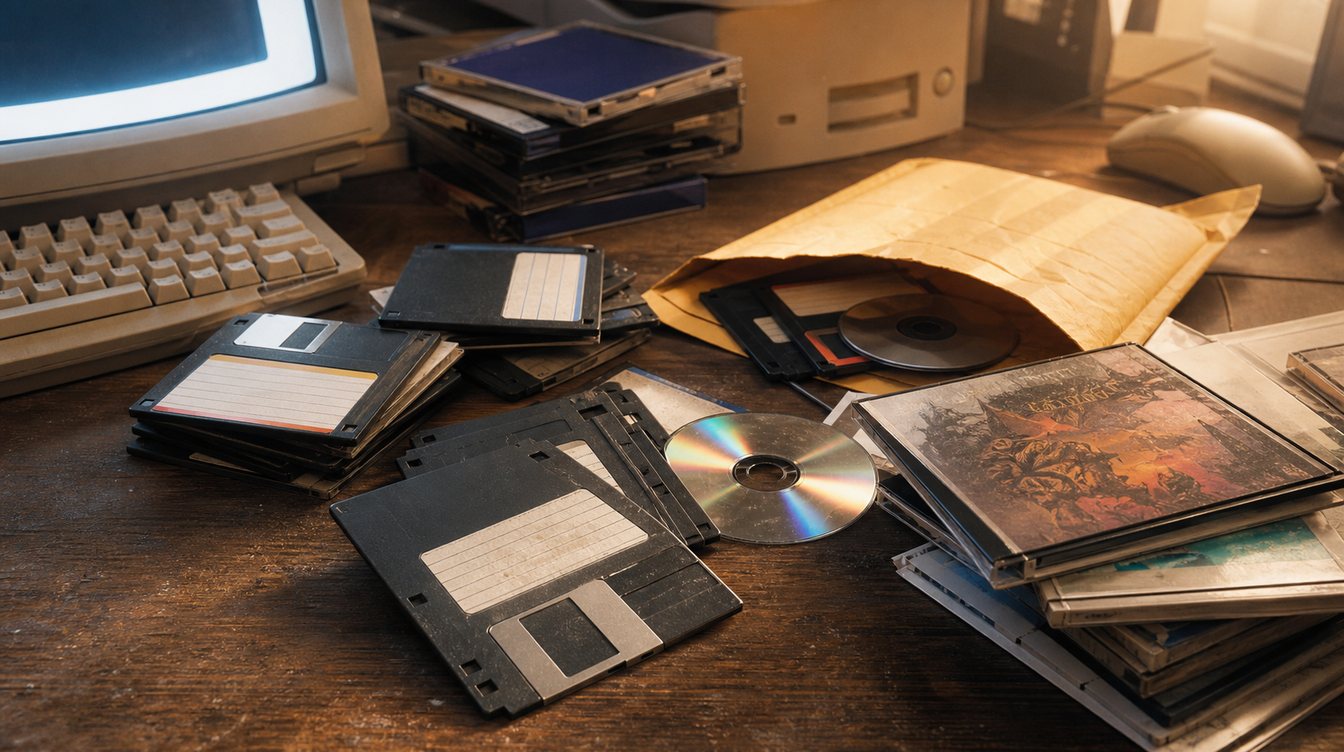
Shareware Games Explained: How Demos Built PC Gaming Culture
Before digital stores, shareware made PC games travel through magazines, bulletin boards, school disks and word of mouth. It changed how players discovered…
Read the story →Rating and Popularity Signals in a Retro Games Database: What They Do and Don't Tell You
A star rating or a view count feels like an objective quality signal, but both carry real limitations worth understanding before relying on them too heavily.
Read the story →
Windows 95 and 98 Games: The Bridge to Modern PC Gaming
Windows 95 and Windows 98 changed PC gaming with DirectX, CD-ROMs, 3D cards, menus, installers and a new generation of hybrid DOS/Windows titles.
Read the story →
What Is Abandonware? A Clear Guide for Retro Game Fans
Abandonware is one of the most searched retro gaming terms. Here is what it means, what it does not mean, and why VG90 labels it as reference content.
Read the story →Old PC Games by Developer vs Publisher: Why the Distinction Matters
Developer and publisher get merged into one field far too often. Keeping them separate reveals who actually built a game versus who funded and distributed it.
Read the story →
Best 90s DOS Games: Why the PC Archive Still Matters
A search-friendly guide to the 90s DOS games that defined PC gaming: shooters, adventures, strategy, simulations, shareware culture and preservation context.
Read the story →Old PC Games by Release Year: Why Chronology Is the Backbone of Any Archive
Release year sounds like the simplest field in a game database, but it quietly supports almost every other kind of useful browsing an archive can offer.
Read the story →Searching an Old PC Games Database: Filters That Actually Help
A search box alone is a weak tool for a large retro games catalogue. Here is which filters genuinely help visitors find what they are looking for.
Read the story →From Spreadsheet to Structured Data: Building a Searchable Game Database
Most game databases start life as a spreadsheet. Here is what actually has to change structurally for that spreadsheet to become a genuinely searchable archive.
Read the story →A Practical Genre Taxonomy for Browsing Retro PC Games
Genre labels for old PC games are messier than they look, with hybrids and edge cases everywhere. Here is a practical way to think about organizing them.
Read the story →Old PC Games by Publisher: Tracing the Studios Behind the Classics
Publishers shaped genre trends, distribution strategy and even hardware requirements far more than most players realize. Browsing by publisher tells its own…
Read the story →Browsing Old PC Games by Platform: Why "PC" Was Never One Machine
"PC" covers a much wider range of actual hardware than the word suggests. Browsing by platform reveals compatibility realities a title-only search never shows.
Read the story →What Makes a Good Old PC Games Database
Not every list of old games qualifies as a real database. Here are the structural qualities that separate a genuinely useful old PC games database from a…
Read the story →Emulation, Preservation and Piracy: Where the Lines Actually Are
These three words get conflated constantly in retro gaming conversations, but they describe genuinely different activities with genuinely different legal…
Read the story →Why Museums Are Racing to Collect Video Game History
Video games face preservation problems physical media and public collections rarely do: format obsolescence, licensing complexity, and hardware that simply…
Read the story →Inside a Retro Gaming Archive: How Entries Get Verified
Adding a game to a reference archive involves more than typing a title and a year. Here is what verification actually looks like before an entry gets published.
Read the story →Box Art as History: What Retro Game Packaging Preserved
A game's box art often communicated more about how it was marketed and understood than the software itself. Preserving that packaging is its own form of…
Read the story →Fan Wiki or Reference Archive? Why the Difference Matters
Fan wikis and reference archives both document old games, but they serve different goals, follow different editorial standards, and answer different kinds of…
Read the story →Understanding Legal Status Labels: Reference-Only vs Rights-Holder Approved
A game's legal status label determines whether a download link can ever appear on its page. Here is what each label actually means and why the distinction…
Read the story →Public Domain Retro Games: What Actually Qualifies and Why It's Rare
The phrase "public domain" gets applied loosely to old games far more often than it actually applies legally. Here is what genuinely qualifies, and why it…
Read the story →Freeware and Open-Source Remakes of Classic PC Games Worth Knowing
Some classic PC games have been rebuilt from scratch as open-source engines that require the original data files, offering modern compatibility without…
Read the story →The Internet Archive's MS-DOS Collection: Legal Retro Games in a Browser
The Internet Archive hosts a large collection of MS-DOS software playable directly in a browser through emulation. Here is what that actually means legally and…
Read the story →GOG.com Explained: How "Good Old Games" Cleared the Rights
GOG.com built its entire business around a problem most retro gamers run into eventually: how do you legally buy a game whose original publisher may no longer…
Read the story →The Legacy of Prince of Persia: From a 1990 Floppy Disk to Modern Platformers
Prince of Persia's influence reaches far beyond its own sequels. This is how its structural ideas — a ticking clock, believable movement, environmental…
Read the story →Prince of Persia Ports Compared: Apple II, DOS and Beyond
Prince of Persia reached players through several very different ports across the early 1990s. Here is how the Apple II original, the DOS release and later…
Read the story →How Rotoscoping Made Prince of Persia Move Like No Game Before It
Prince of Persia's hero moved differently from anything else on 8-bit and early DOS hardware because Jordan Mechner filmed and traced real human motion, frame…
Read the story →Prince of Persia (1990): The Full History of Jordan Mechner's Rotoscoped Classic
From an Apple II debut in 1989 to the DOS port that reached a global audience in 1990, this is the full story of how Prince of Persia became a landmark in…
Read the story →Best 90s DOS Games for Kids: The Golden Age of Edutainment
The 90s DOS "edutainment" boom put learning software directly alongside games on the same shelf, using genuine game design to make lessons stick.
Read the story →Best 90s DOS Flight Simulators: Learning to Fly at a Desk
90s DOS flight simulators asked players to learn real cockpit procedures, not just point and shoot. That commitment to realism built one of the most dedicated…
Read the story →Best 90s PC Multiplayer and LAN Party Games: How Local Networks Became a Ritual
Before broadband made online play effortless, 90s PC gamers built an entire ritual around hauling towers to a friend's house for a LAN party. This is how that…
Read the story →Best 90s PC Puzzle Games: Small Downloads, Big Ideas
90s PC puzzle games proved that a strong mechanical idea needed almost no hardware budget to succeed, making the genre a natural fit for shareware and casual…
Read the story →Best 90s PC Sports Games: Simulating the Season on a Beige Box
90s PC sports games split into arcade-style quick matches and deep season-management simulations, each serving a distinct kind of player long before online…
Read the story →Best 90s PC Simulation Games: Cities, Tycoons and Digital Lives
City builders, tycoon games and life simulators all found their footing on the 90s PC. This is why "simulation" became one of the decade's most commercially…
Read the story →Best 90s PC RPGs: The Golden Age of Party-Based and Open-World Roleplaying
The 90s PC RPG stretched from party-based dungeon crawlers to branching, choice-driven adventures. Here is why the decade is considered a genuine golden age…
Read the story →Best Retro Games of 2004: Half-Life 2, Doom 3 and the End of an Era
2004 closes out this archive's core golden-age window with two shooters pushing physics and atmosphere to new extremes, right as broadband and digital…
Read the story →Best Retro Games of 2003: Call of Duty, KOTOR and the Console Convergence
2003 brings a war shooter with cinematic scripted sequences and a Star Wars RPG built on branching morality, both signs that PC and console game design were…
Read the story →Best Retro Games of 2002: Warcraft III, Battlefield 1942 and Online Play
2002 adds RPG elements to real-time strategy and pushes large-scale online multiplayer into the mainstream, both signs that PC gaming was leaning further into…
Read the story →Best Retro Games of 2001: Max Payne, Serious Sam and Cinematic Action
In 2001, shooters split into two very different lanes: one leans into slow-motion, film-noir storytelling, the other leans into pure, uncomplicated, escalating…
Read the story →Best Retro Games of 2000: The Sims, Deus Ex and Counter-Strike
The year 2000 delivers three genuinely different ideas of what a PC game could be: a life simulator with no combat at all, an RPG-shooter hybrid built on…
Read the story →Best Retro Games of 1999: System Shock 2, Homeworld and the Multiplayer Shift
1999 pushes the immersive sim toward horror, gives real-time strategy a genuine third dimension, and cements online multiplayer as a mainstream expectation…
Read the story →Best Retro Games of 1998: Half-Life, StarCraft and a Vintage Year
1998 is widely considered one of PC gaming's strongest single years, headlined by a shooter that treated story as environment and a strategy game that balanced…
Read the story →Best Retro Games of 1997: Age of Empires, Fallout and Real-Time Everything
1997 broadens two genres at once: real-time strategy gains a historical setting with mass appeal, and the CRPG proves it can support branching,…
Read the story →Best Retro Games of 1996: Quake, Diablo and 3D Acceleration
1996 pushes first-person shooters into true 3D and proves that loot-driven action-RPGs can be endlessly replayable, while dedicated 3D graphics hardware starts…
Read the story →Best Retro Games of 1995: Command & Conquer and the Windows 95 Turn
In 1995, real-time strategy gets its breakout hit, and an operating system launch quietly reshapes how PC games would be built and sold for the rest of the…
Read the story →Best Retro Games of 1994: Warcraft, System Shock and Genre Maturity
1994 is less about invention and more about maturity: real-time strategy gets a memorable universe attached, and the immersive sim proves a shooter can carry a…
Read the story →Best Retro Games of 1993: Doom, Myst and the Multimedia PC
1993 pulls PC gaming in two directions at once: Doom's fast, networked violence and Myst's slow, CD-ROM-powered exploration. Both were massive successes, for…
Read the story →Best Retro Games of 1992: Wolfenstein 3D, Dune II and Two New Genres
1992 effectively codifies two genres in the same year: the first-person shooter and the real-time strategy game. Few years in PC gaming history carry that much…
Read the story →Best Retro Games of 1991: Civilization, Lemmings and the Strategy Boom
1991 gives PC gaming two of its most influential strategy and puzzle designs, proving that turn-based depth and lateral-thinking puzzles could both find a…
Read the story →Best Retro Games of 1990: Wing Commander and the Cinematic PC Game
1990 brings Prince of Persia to a wider DOS audience and Wing Commander pushes PC games toward cinematic ambition, both signaling that PC gaming was ready to…
Read the story →Best Retro Games of 1989: SimCity, Prince of Persia and the PC's New Voice
1989 is the year city simulation and cinematic platforming both arrive on personal computers, proving PC games could build systems and tell stories that…
Read the story →Best Retro Games of 1988: Sound Cards Arrive and Mascots Take Over
In 1988, dedicated PC sound hardware starts to matter, and console mascots become a business strategy. Two very different industries, moving toward the same…
Read the story →Best Retro Games of 1987: Street Fighter, Zelda II and Genre Experiments
1987 is a year of experimentation rather than consolidation: fighting games take their first real shape, sequels take structural risks, and PC gaming keeps…
Read the story →Best Retro Games of 1986: Metroid, Zelda and the Rise of Non-Linear Design
In 1986, two Nintendo games taught the industry that a world could be explored out of order. This is why that idea mattered far beyond the two games that…
Read the story →Best Retro Games of 1985: Tetris, the NES Relaunch and a New Baseline
A year-by-year look at 1985: Tetris is invented, the NES relaunches the US console market, and the Commodore Amiga arrives with color and sound nobody expected…
Read the story →