90s platform games look simple from a distance: run, jump, collect and reach the exit. Up close, they are studies in timing and readability. Every ledge, enemy path and pickup teaches the player how the level wants to be crossed.
The best platformers build trust. A jump should feel possible before it is attempted. A hazard should read clearly before it punishes the player. A secret should feel hidden but not random. That balance is why many old platform games remain replayable.
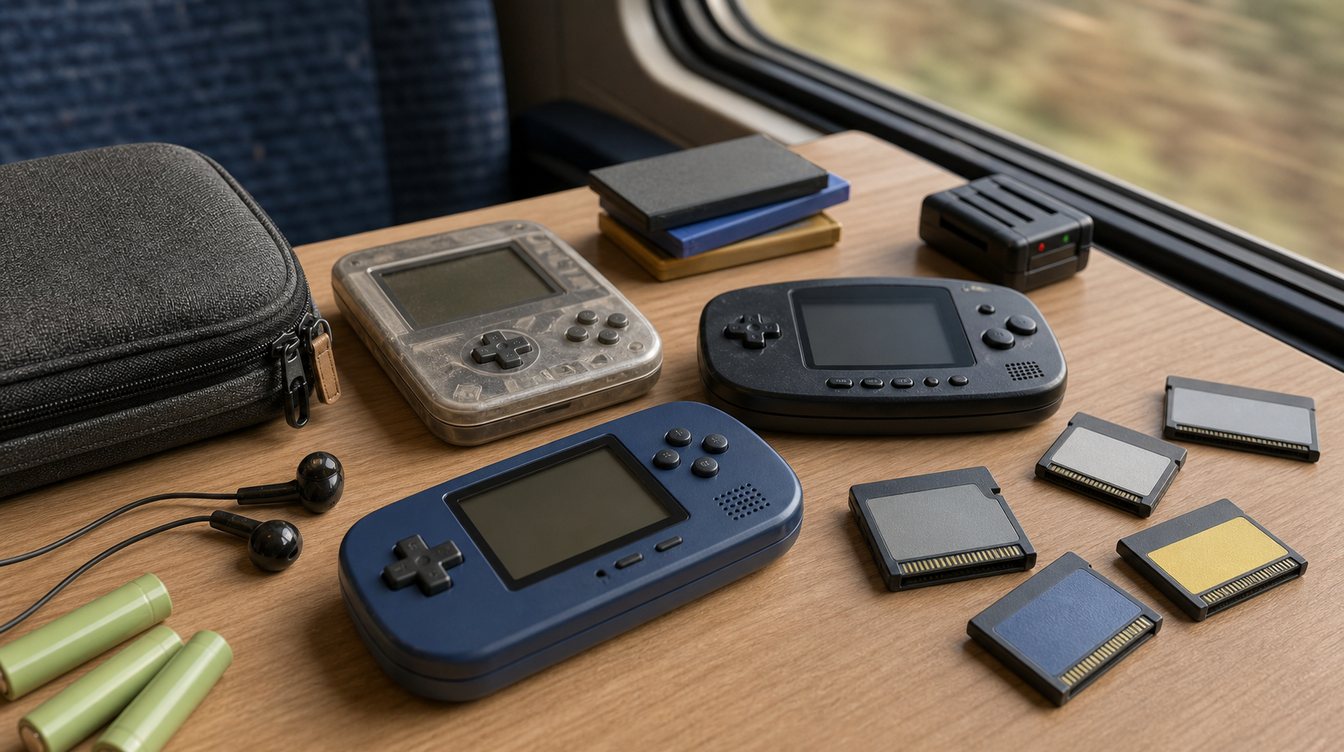
Different platforms shaped different approaches. Consoles favored controller precision and living-room repetition. DOS and Windows platformers often carried shareware structure, keyboard controls and unusual screen scrolling. The same genre could feel very different depending on where it lived.
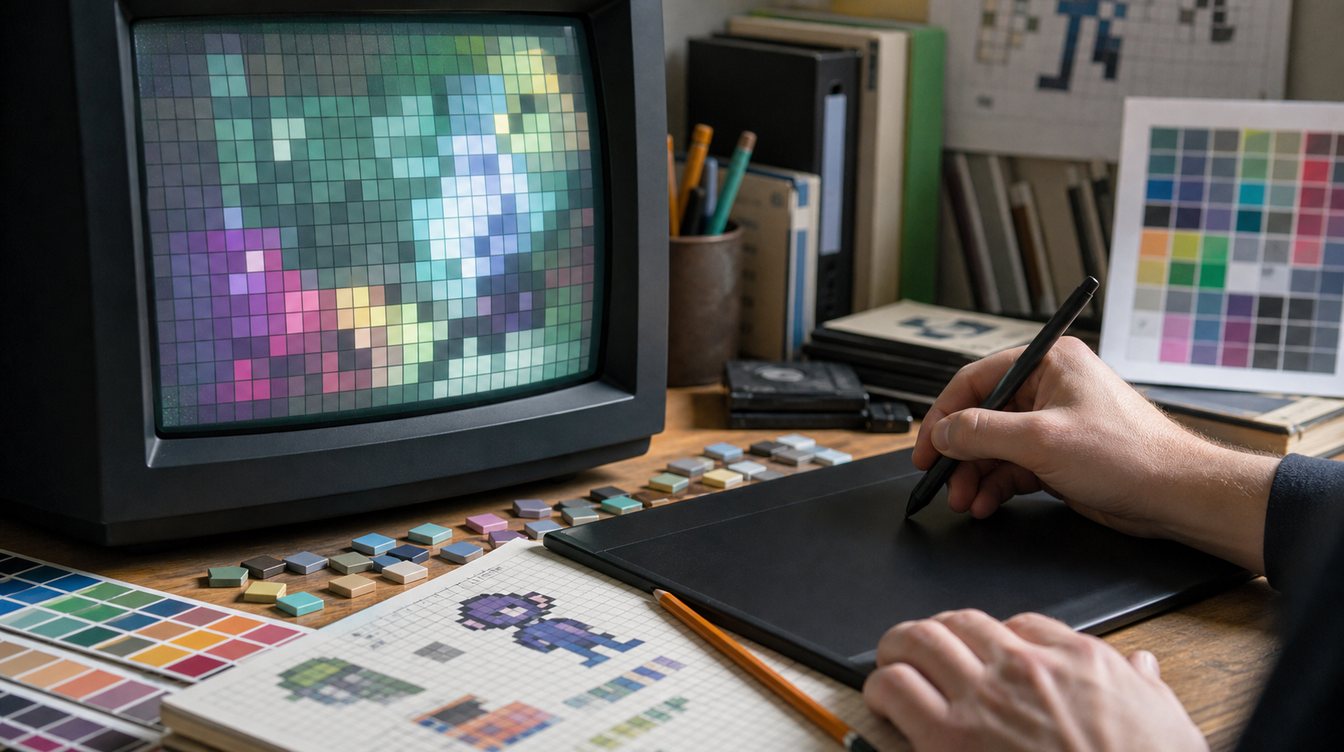
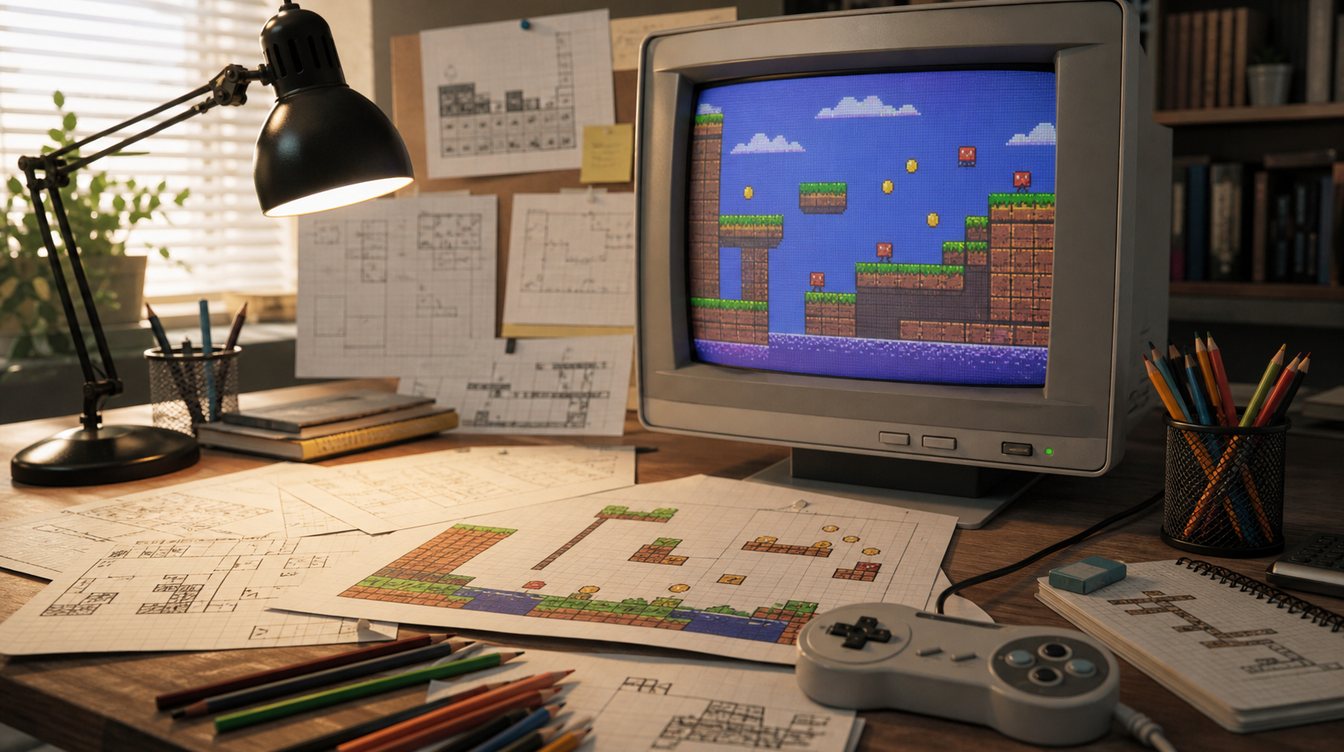
Visual design matters because platform games communicate through tiles. Bricks, slopes, ladders, spikes and moving platforms are not decoration. They are grammar. A screenshot can reveal how a game teaches movement before a single word is read.
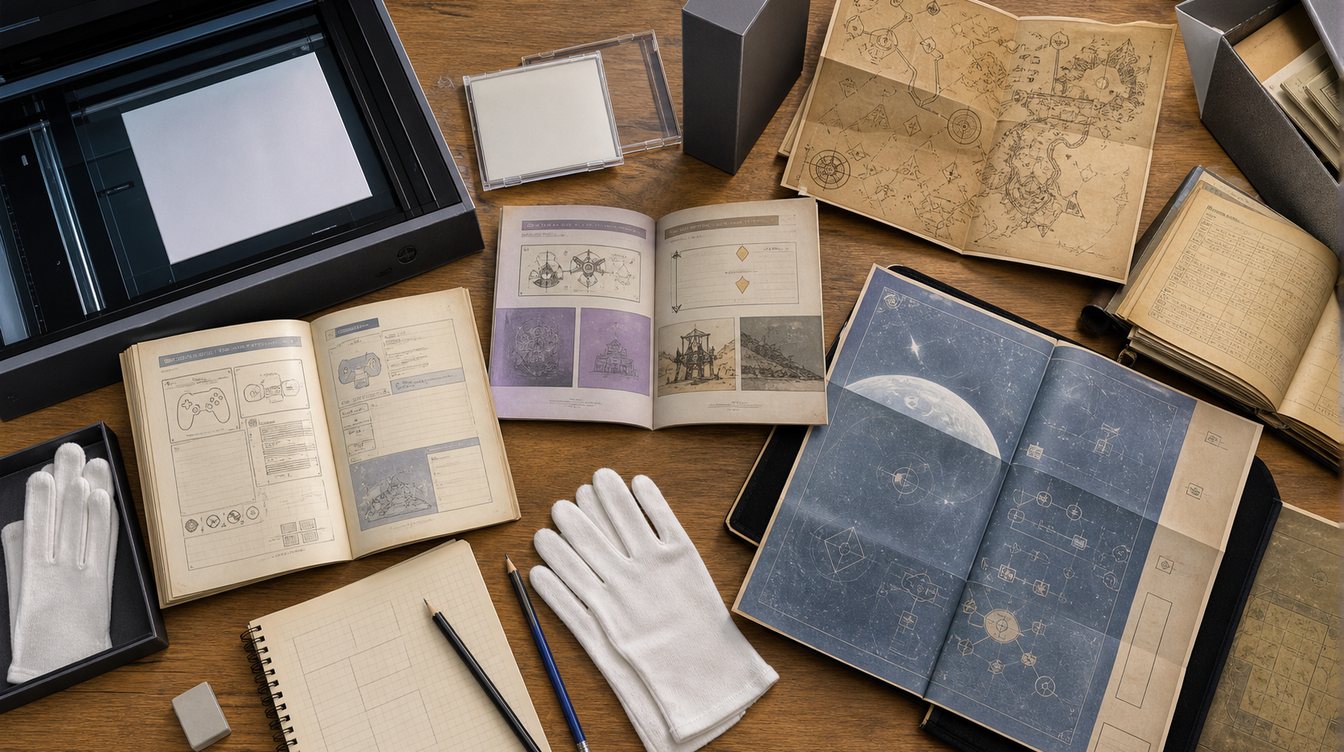
For search, players often remember details like "old platform game with coins", "DOS side scrolling game" or "90s colorful platformer". Archive pages need screenshots, platform tags and release years to connect those partial memories to real entries.
VG90 covers platform games as crafted spaces. Their value is not only nostalgia; it is the discipline of making a jump feel fair, exciting and worth trying again.