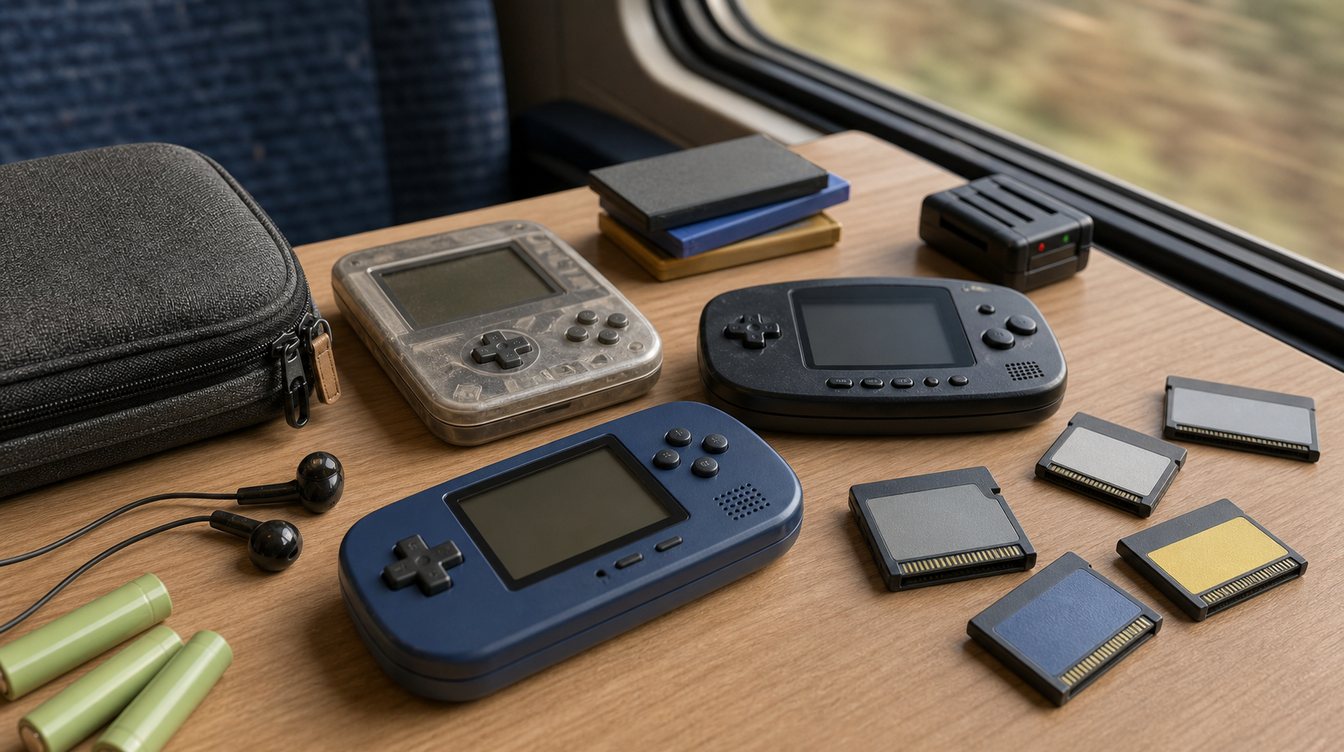
Handheld retro games created a different kind of gaming memory. They lived in bags, bedrooms, cars, school breaks and long trips. Before smartphones made portable screens ordinary, handheld systems made games personal and close.
The hardware constraints were severe. Small screens, limited colors, battery life and simple speakers forced developers to be direct. A good handheld game needed readable shapes, clear goals and controls that worked in imperfect conditions.
Cartridges made portable libraries physical. Players swapped games, carried favorites and learned to choose carefully before leaving home. That physical context is part of why handheld titles are remembered so strongly.
Short sessions shaped design. Many handheld games supported quick progress, repeatable challenges or save systems suited to interruption. Even larger adventures had to respect the fact that the player might be on the move.
Archive metadata should separate handheld versions from console or PC versions. A name may be shared, but level design, graphics, music and pacing can be entirely different. Platform detail prevents confusion.
VG90 treats handheld games as more than smaller versions of console history. They represent a design tradition built around portability, patience and the private glow of a small screen.