Museums and cultural institutions have started treating video games as a serious preservation priority, and the reasons go beyond simple nostalgia for a beloved medium.
A Race Against Physical Decay
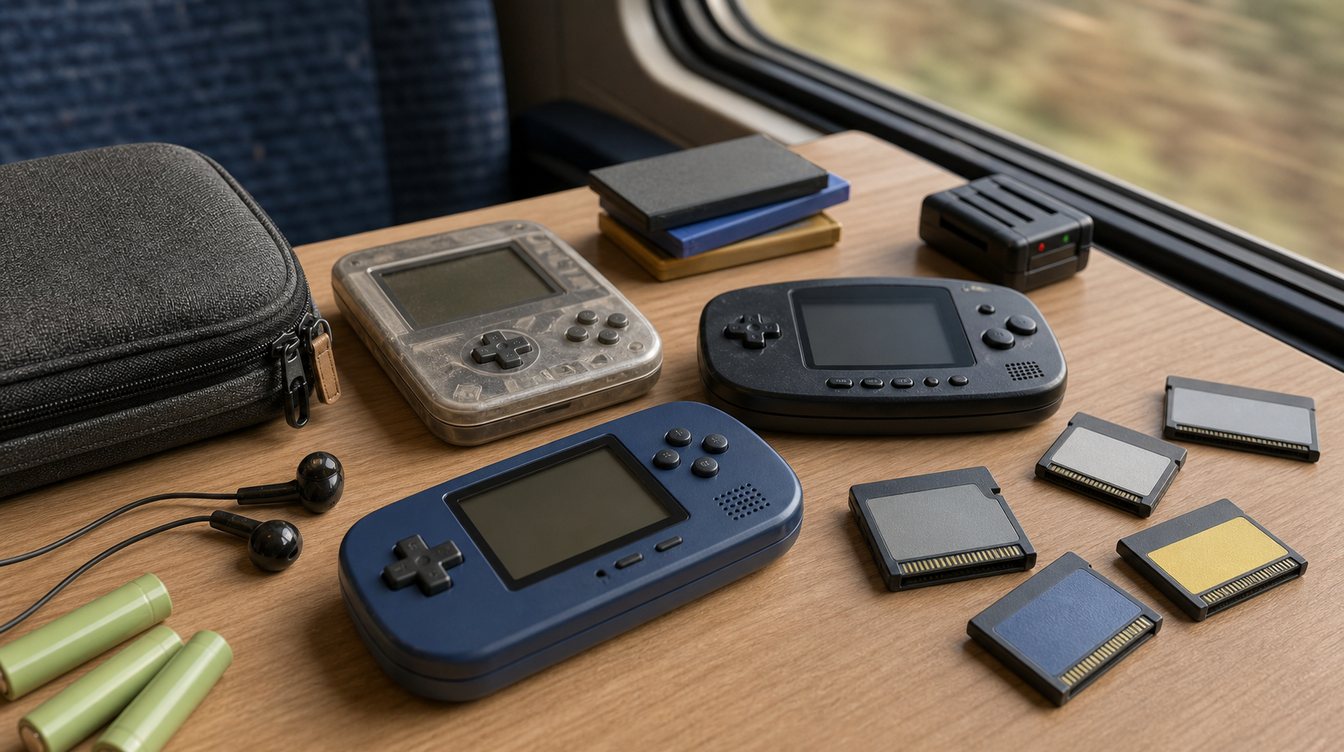
Magnetic storage media degrade over time, optical discs can suffer from disc rot, and the specific hardware needed to run original software eventually fails faster than replacement parts get manufactured. Unlike a printed book or a painting, a video game can become functionally unplayable even while its physical artifact technically still exists.
Licensing Complicates What Museums Can Actually Show
A museum acquiring a game faces the same rights complexity discussed in Public Domain Retro Games and Legal Status Labels — owning a physical copy does not automatically grant permission to publicly display, run or redistribute the software, which limits how openly institutions can share their own collections.
Software Needs Context, Not Just Storage
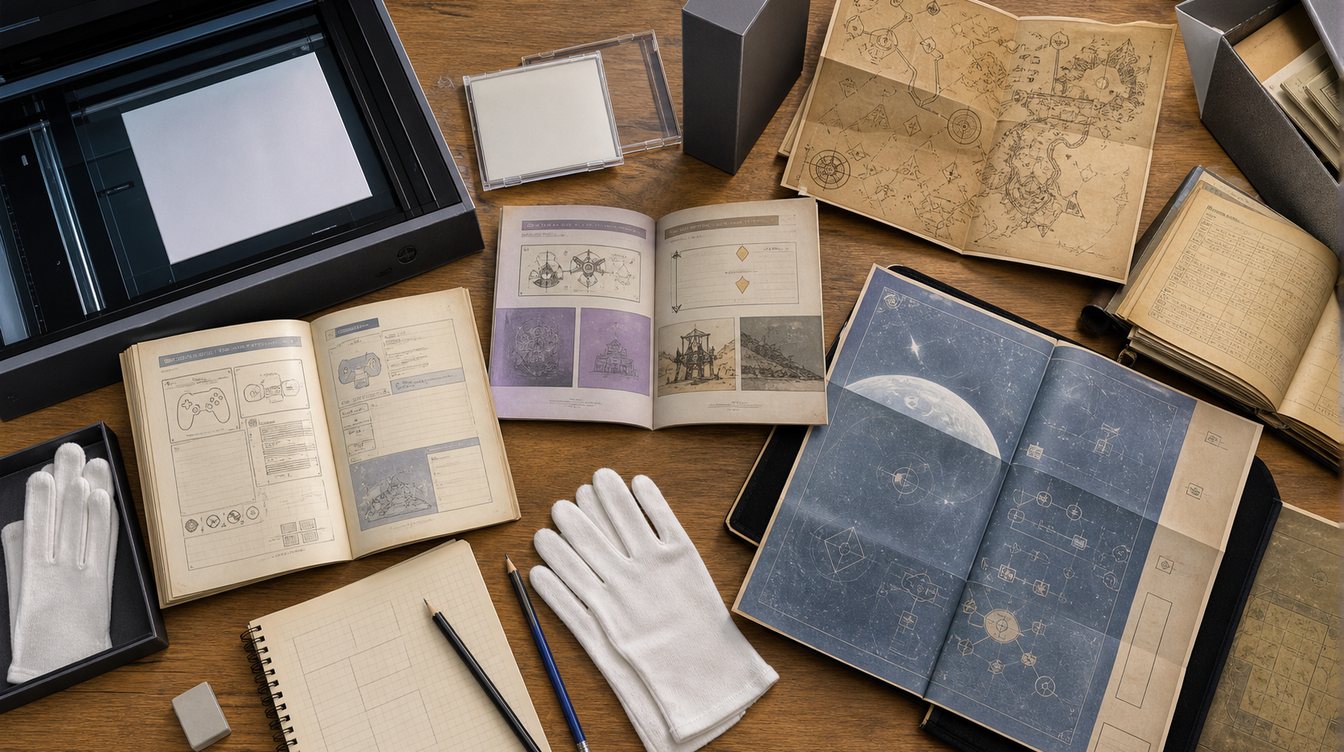
Simply keeping a working copy of a game is not the same as preserving how it was played, marketed and experienced — a distinction covered in Box Art as History, where packaging and documentation carry meaning the executable file alone does not.
A Shared Goal With Independent Archives
Museums and independent reference archives are ultimately working toward the same outcome from different angles: making sure games remain understandable, not just technically runnable, for future researchers and players. See Inside a Retro Gaming Archive for how that same goal plays out at a smaller, community-driven scale.