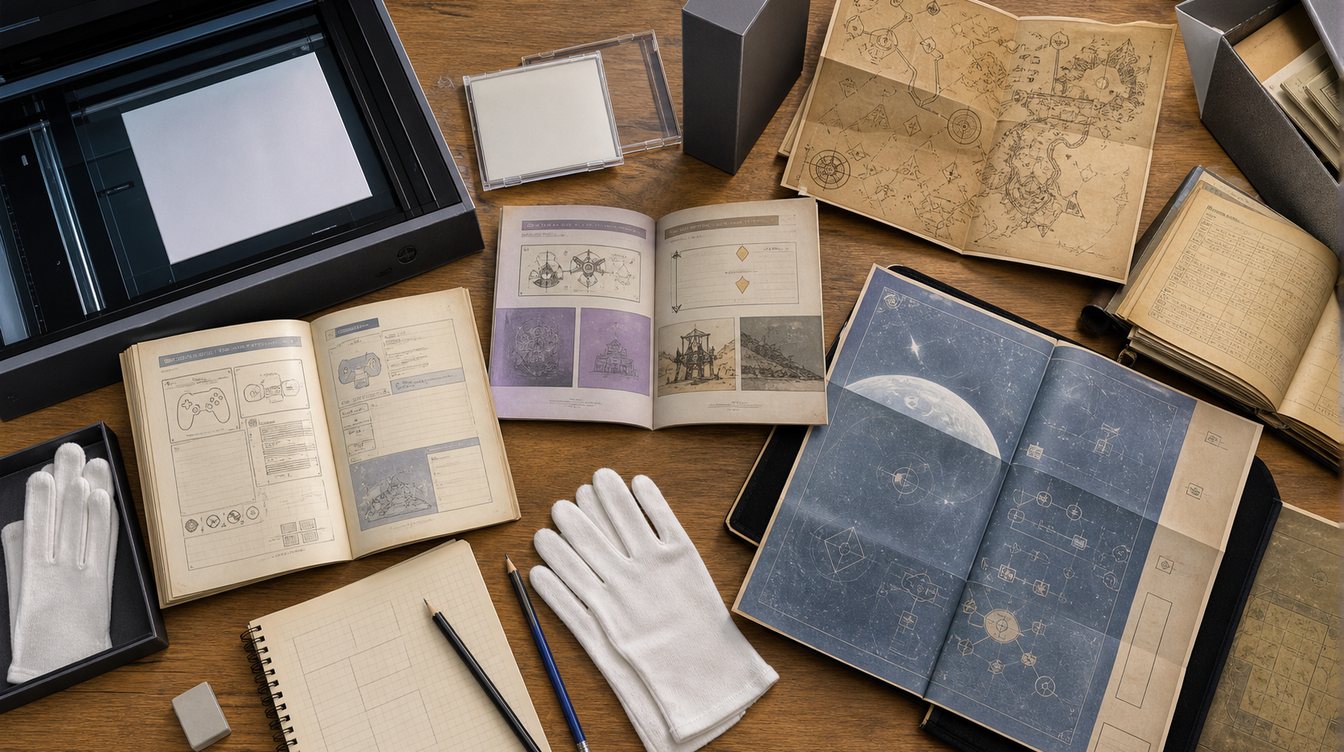
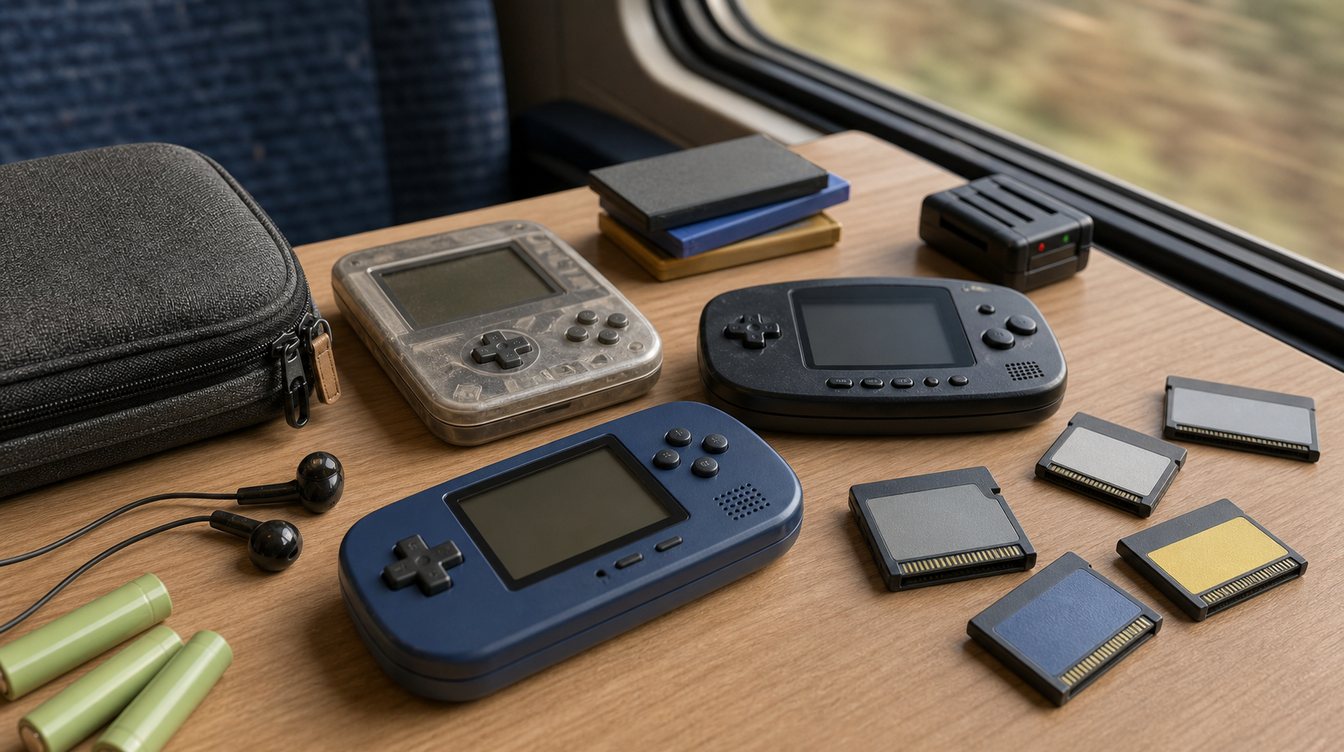
1987 does not have one single dominant story the way some retro years do. Instead, it is a year where several genres tried structural ideas that would only pay off once other developers refined them later.
Fighting Games Take Their First Real Shape
Street Fighter introduced dedicated attack buttons of varying strength and the idea of a defined roster of characters with distinct movesets, in arcades built around head-to-head competition. It was rough by later standards, but it proved the format could exist as a genre of its own rather than a side mode bolted onto a beat-em-up.
A Sequel That Took a Structural Risk
Zelda II: The Adventure of Link followed a beloved open-world game with a side-scrolling action-RPG hybrid, adding experience points and town hubs to a series that had none. Reactions were mixed at the time, but the willingness to restructure a hit franchise instead of repeating it became a recurring pattern across gaming history whenever a sequel needed room to experiment.
PC Gaming Keeps a Different Rhythm
While console genres were finding their footing, PC gaming in 1987 continued down its own path: text-heavy adventures, early CRPGs and simulation software aimed at a slightly older, more patient audience than the arcade crowd. This divergence — consoles chasing arcade-style immediacy, PCs chasing depth and systems — would define the console-versus-PC identity split for the next fifteen years.
Why an Archive Treats Experimental Years Seriously
Years without one obvious landmark are exactly the ones a listicle tends to skip and a reference archive should not. The genre experiments of 1987 explain why 1988 and 1989 looked the way they did. Compare it directly against 1986 and 1988 to see the throughline, or read the classic strategy games guide for how PC-side experimentation eventually paid off.