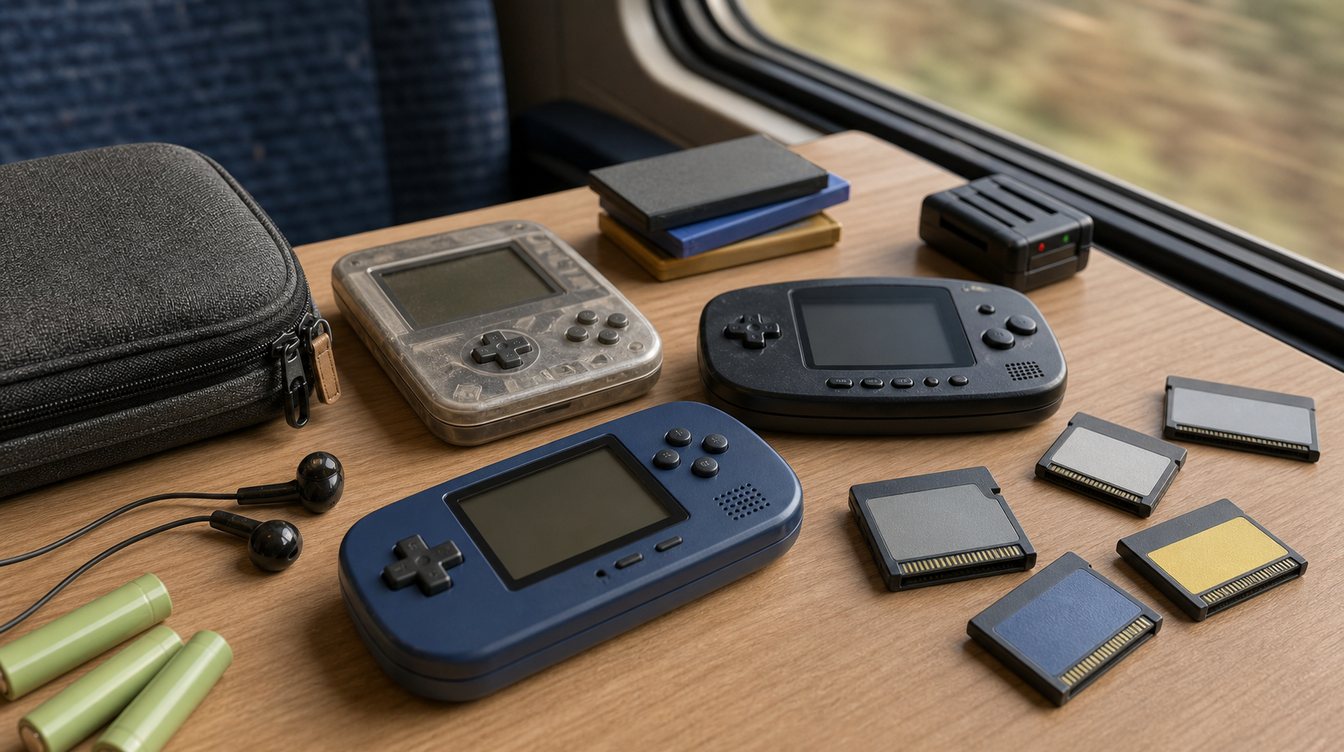
Retro game music is not only nostalgia. It is hardware history. In the 90s, PC audio moved from simple beeps to FM synthesis, sampled effects, MIDI arrangements, CD tracks and tracker music. The same game could sound very different depending on the machine beneath it.
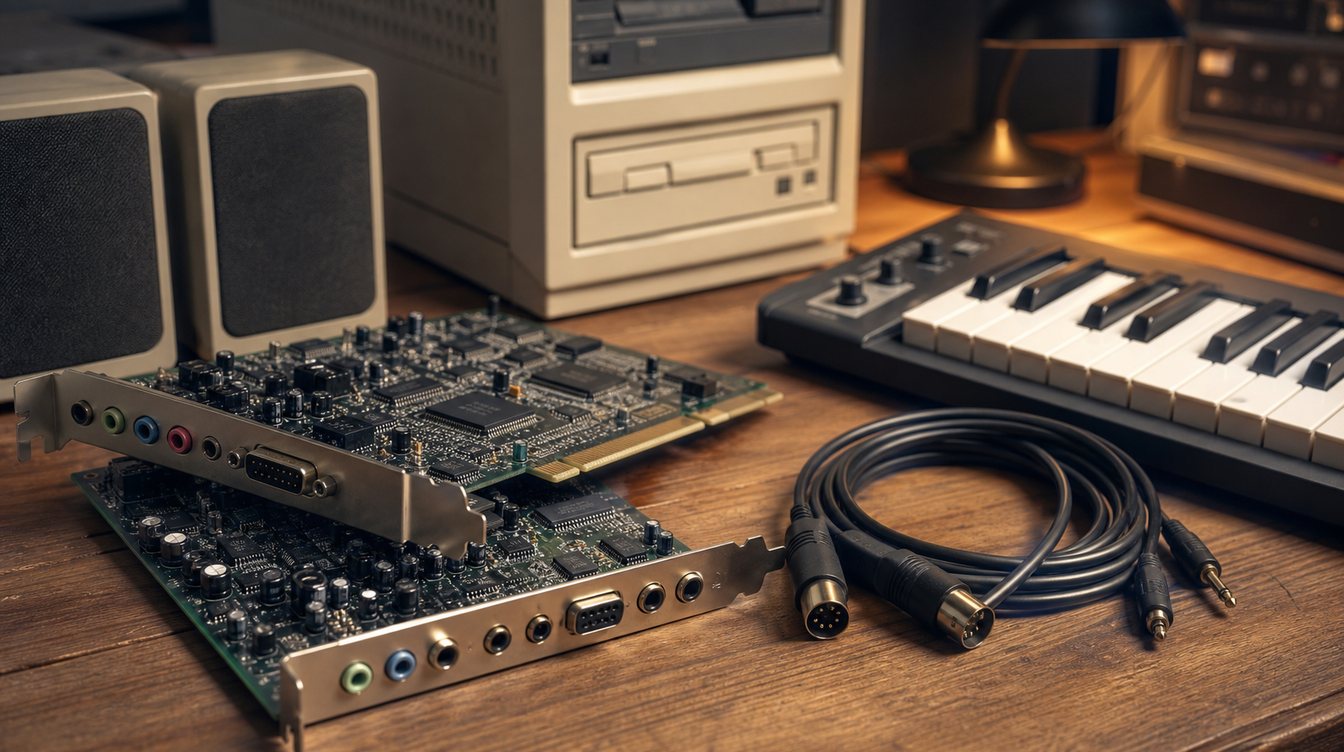
Sound cards turned PC gaming into a technical choice. Players compared compatibility, driver support and music quality because audio hardware could transform a game. A role-playing game with rich MIDI felt larger. A shooter with punchy digital effects felt faster. A strategy game with a memorable score could make long sessions feel cinematic.
MIDI is especially important in preservation because it separates composition from playback. The notes may be the same, but the instrument set changes by device. That means one "song" can have multiple historical sound signatures. Capturing that context helps explain why players remember different versions.
CD audio added another layer. Some Windows 95 and DOS CD-ROM releases used recorded music, voice acting or mixed-mode discs. Those releases can be harder to document because the music belongs to a specific edition, not just the title.
Good archive metadata should mention platform, release format and version when audio differs meaningfully. A visitor searching for "old PC MIDI game music" may be trying to identify a sound, not a screenshot. Audio history deserves the same precision as graphics and controls.
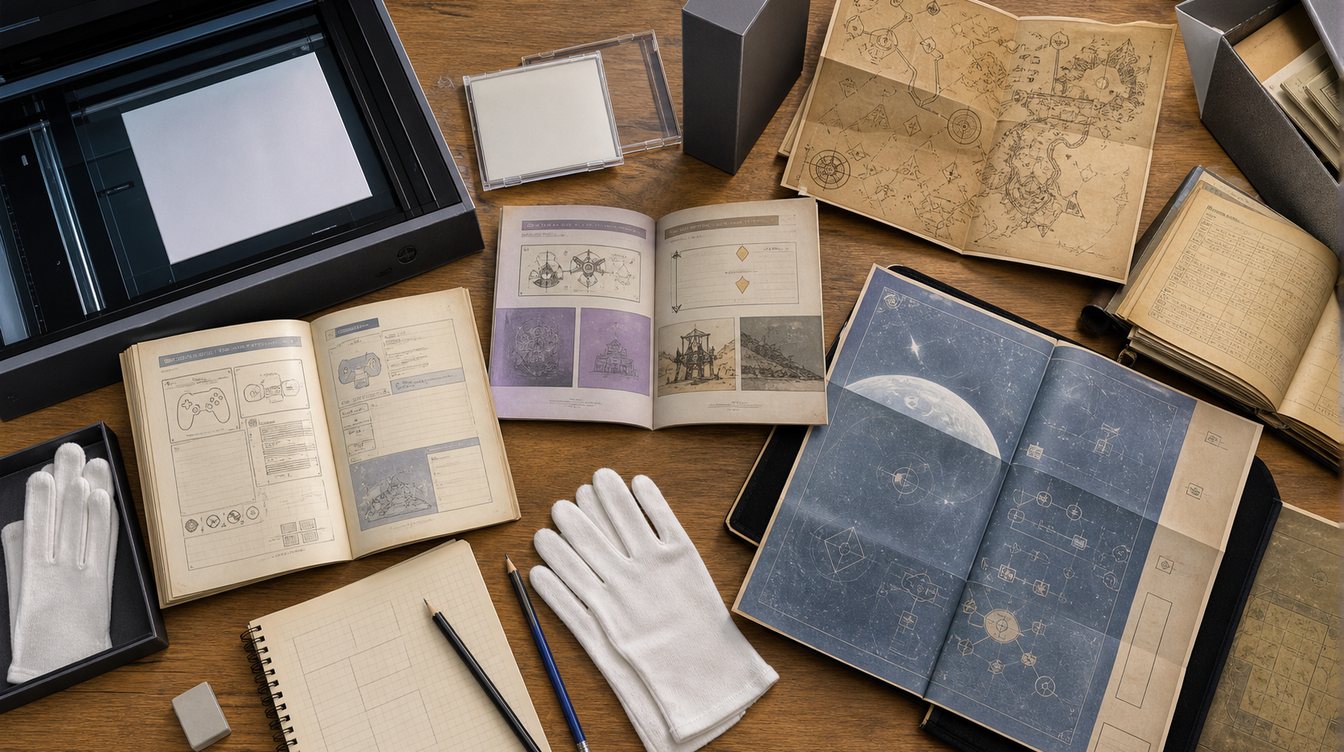
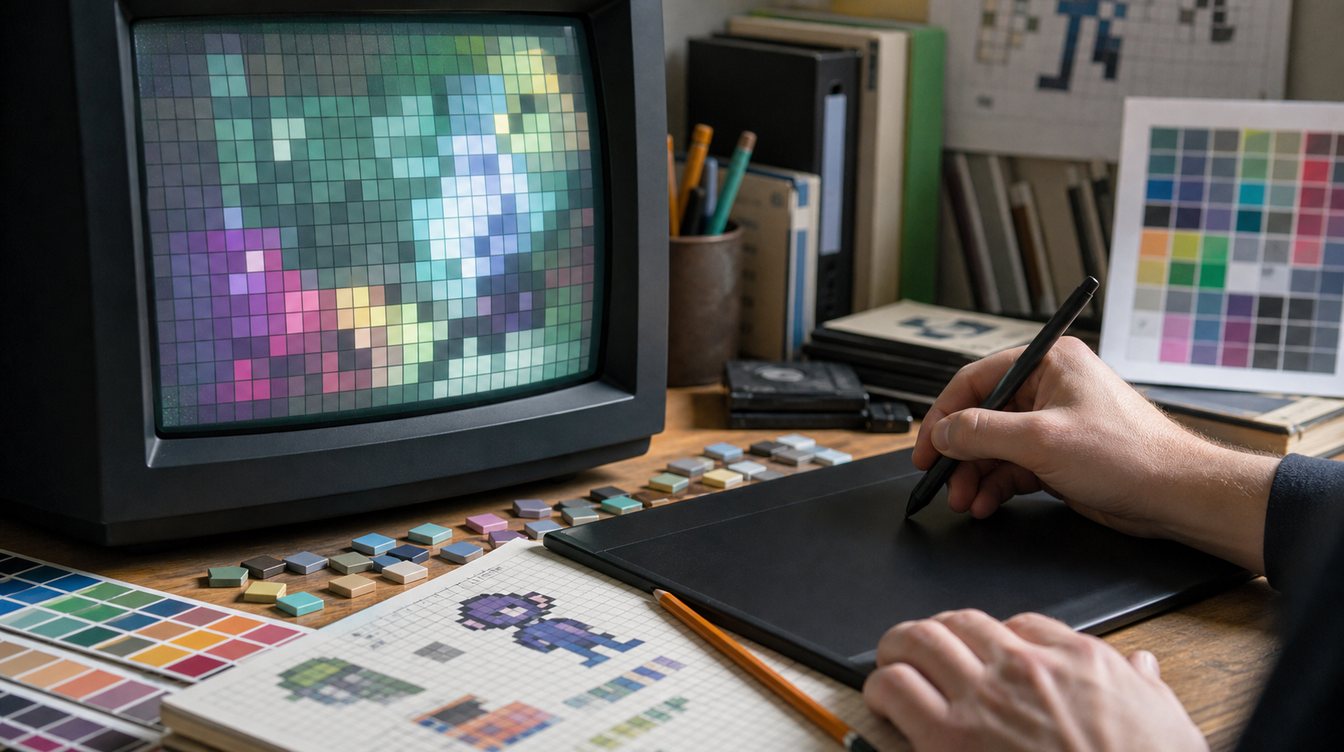
VG90 covers retro game music as part of the full game object. The art, code, manual and soundtrack all help players understand why a classic game felt alive on the hardware of its time.