The safest way to find legal retro game downloads is to start with status, not with a download button. A game can be old, famous and hard to buy without being legally free. The useful question is not "is this abandonware?" but "what permission or source supports this file?"
Official re-releases are the easiest category. Modern stores, console collections and publisher bundles often include classic games with compatibility fixes, manuals, soundtracks or museum extras. They are not only convenient; they show rights holders that catalogues still have value.
Freeware is different. A freeware game is free because the rights holder allows it, usually through a statement, official site or approved mirror. That permission matters. A random download page saying "free" is weaker than a developer or publisher saying the same thing.
Public domain and open source are more specific. Public domain means the work is free of copyright restrictions, or has been dedicated to the public. Open source usually refers to source code under a license, but game assets may have a different license. A project page should explain what is covered.
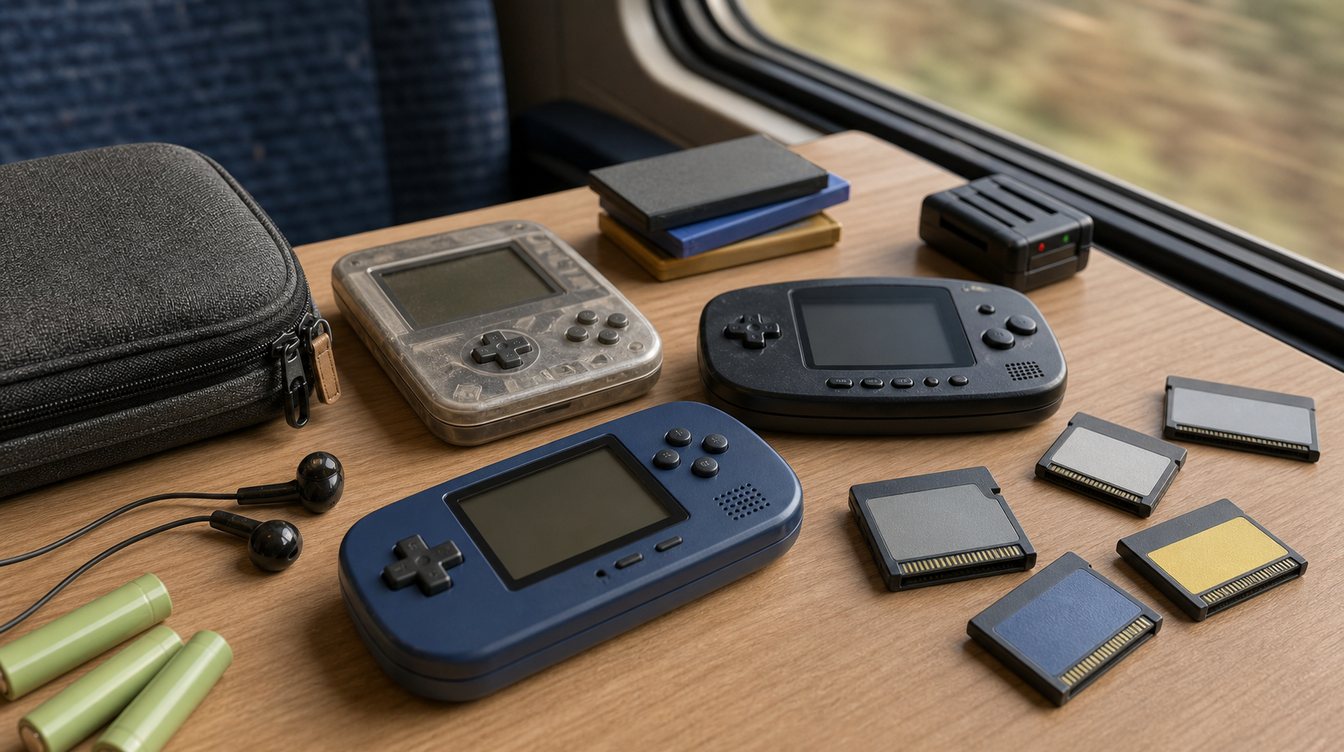
Homebrew and indie retro projects are another strong option. Many developers create new games for old platforms or in old styles, then distribute them legally. These games keep retro hardware and design traditions alive without relying on unclear commercial rights.
VG90 separates download-friendly statuses from reference-only statuses. Public-domain, freeware, open-source and rights-holder-approved entries may link to legal project or download pages. Abandonware reference entries do not. That distinction keeps the archive useful for search while avoiding guesswork.