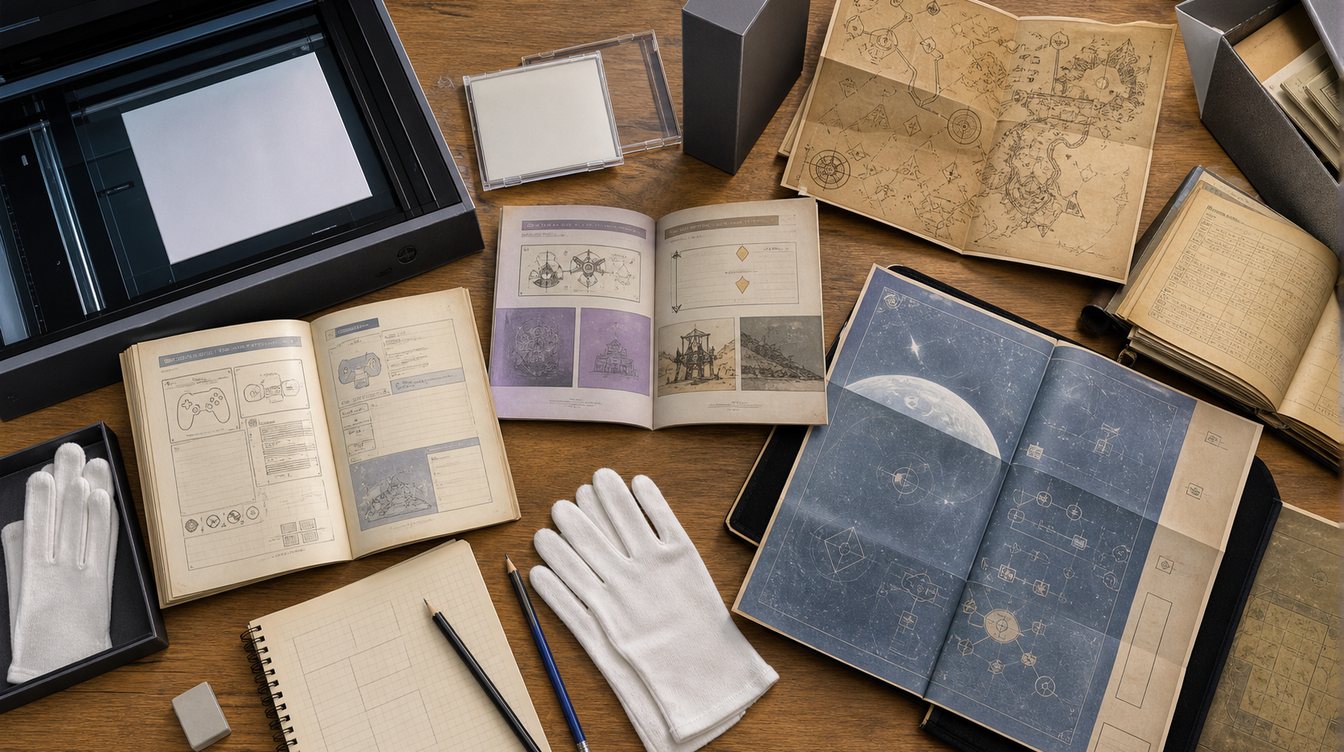
Game preservation is often discussed as if the file is the whole object. The file matters, but it is only one layer. Without metadata, a game becomes difficult to find, compare, cite or understand. Metadata is the map that makes an archive useful.
Release year is the first anchor. It places a game inside hardware generations, genre trends and cultural timing. A 1992 shooter and a 1998 shooter may share a platform label, but they belong to different design worlds. Year data helps both visitors and search engines understand that difference.
Platform data is just as important. "PC" is too broad for many retro searches. DOS, Windows 3.x, Windows 95, Windows 98, Mac, Amiga, Atari ST and arcade boards can point to very different versions. Accurate platform names help players find the version they remember.
Screenshots preserve recognition. Covers are useful, but old games are often remembered through interface, palette and camera angle. A screenshot can answer a query that words cannot: "old top-down DOS tank game", "90s isometric RPG", "pixel racing game with neon tracks".
Credits and company data also matter. Developers, publishers and regional distributors explain why games look alike, why sequels changed direction and why certain genres clustered in certain countries. A searchable archive should connect those names across entries.
Legal status is metadata too. It tells visitors whether an entry is reference-only, freeware, public domain, open source or rights-holder-approved. That clarity protects the archive and improves user trust. The goal is not just to collect games; it is to make the history legible.