"Emulation" gets treated as a synonym for piracy far more often than the actual technology deserves, and that conflation muddies a conversation that is actually fairly easy to untangle once each term is defined separately.
Emulation Is a Technique, Not an Act of Copying
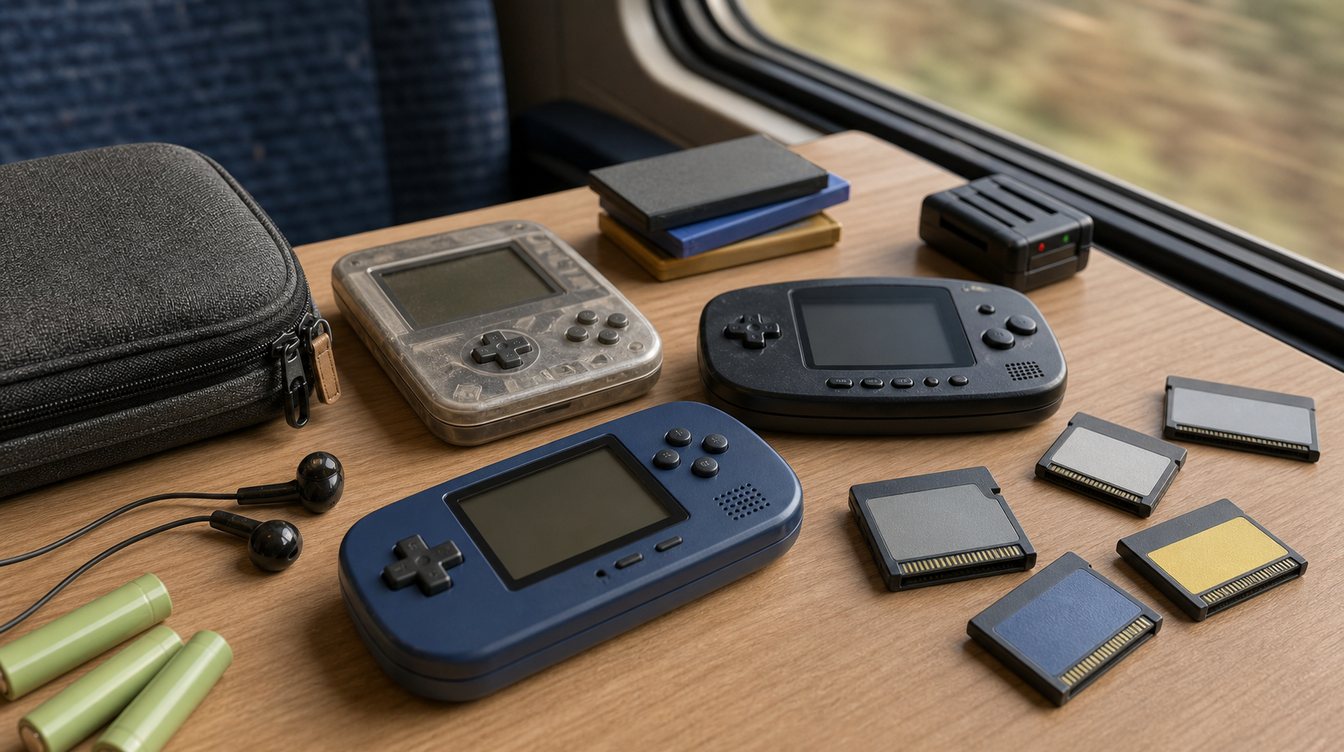
Emulation software recreates how a piece of hardware behaves, allowing software built for that hardware to run on different, modern equipment. The emulator itself typically contains none of the original game's copyrighted content — it is a compatibility tool, comparable in spirit to the engine remakes discussed in Freeware and Open-Source Remakes.
Preservation Is a Goal, Not a Method
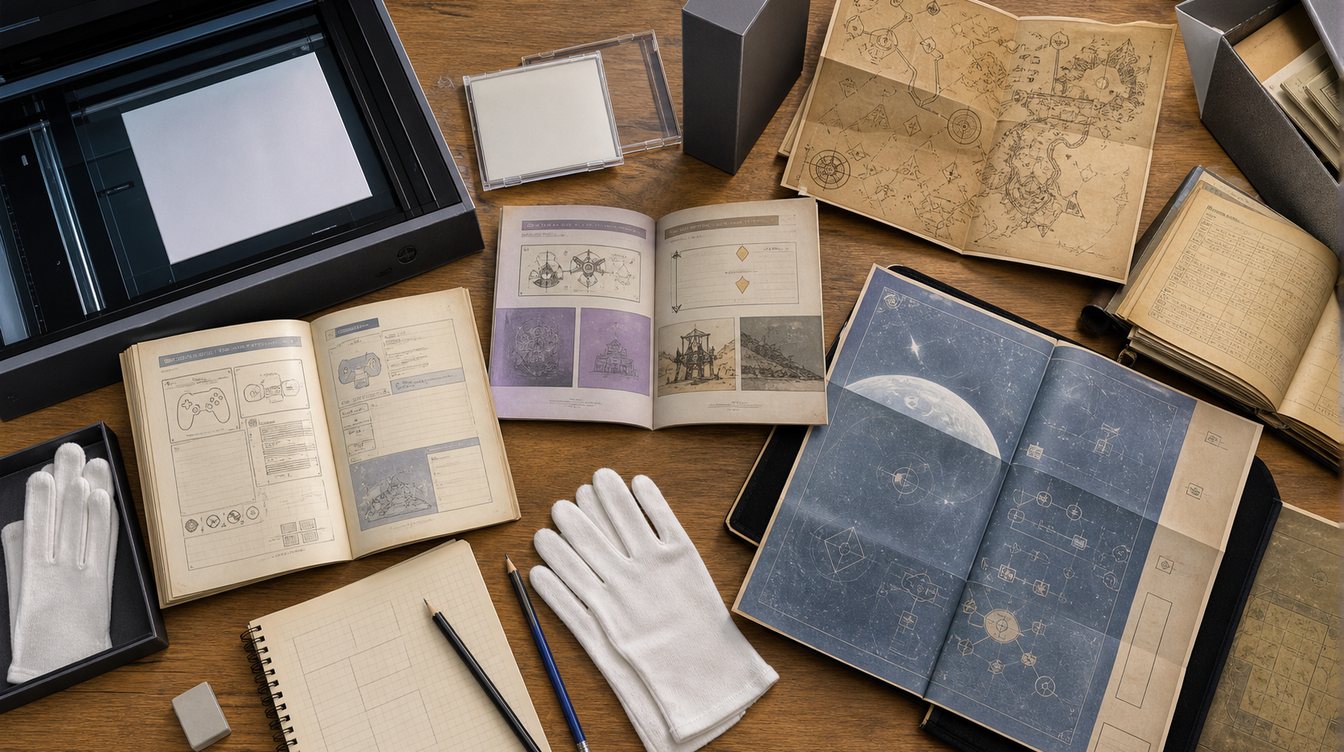
Preservation describes the intent to keep software, documentation and context accessible for the future, and it can be pursued through entirely legal means: licensed re-releases, institutional archiving with proper permissions, or documentation efforts like the ones covered in Why Museums Are Racing to Collect Video Game History.
Piracy Is About the Copyrighted Content Itself
Piracy specifically involves distributing or acquiring copyrighted game files without authorization, regardless of whether emulation is involved at all — a person can pirate a game running on entirely original hardware, and a person can legally use an emulator with content they legitimately own or that carries a verified free legal status.
Why Keeping These Separate Matters
Treating emulation itself as inherently illegal discourages legitimate preservation efforts, while treating "it uses an emulator" as automatic legal cover for piracy misrepresents the actual risk. See How to Preserve Retro Gaming Legally for how these distinctions translate into practical, safe choices.