Retro horror games prove that fear does not require perfect graphics. In many 90s and early 2000s titles, technical limits became creative tools. Low resolution, fog, darkness, fixed angles and awkward controls could make a world feel uncertain.
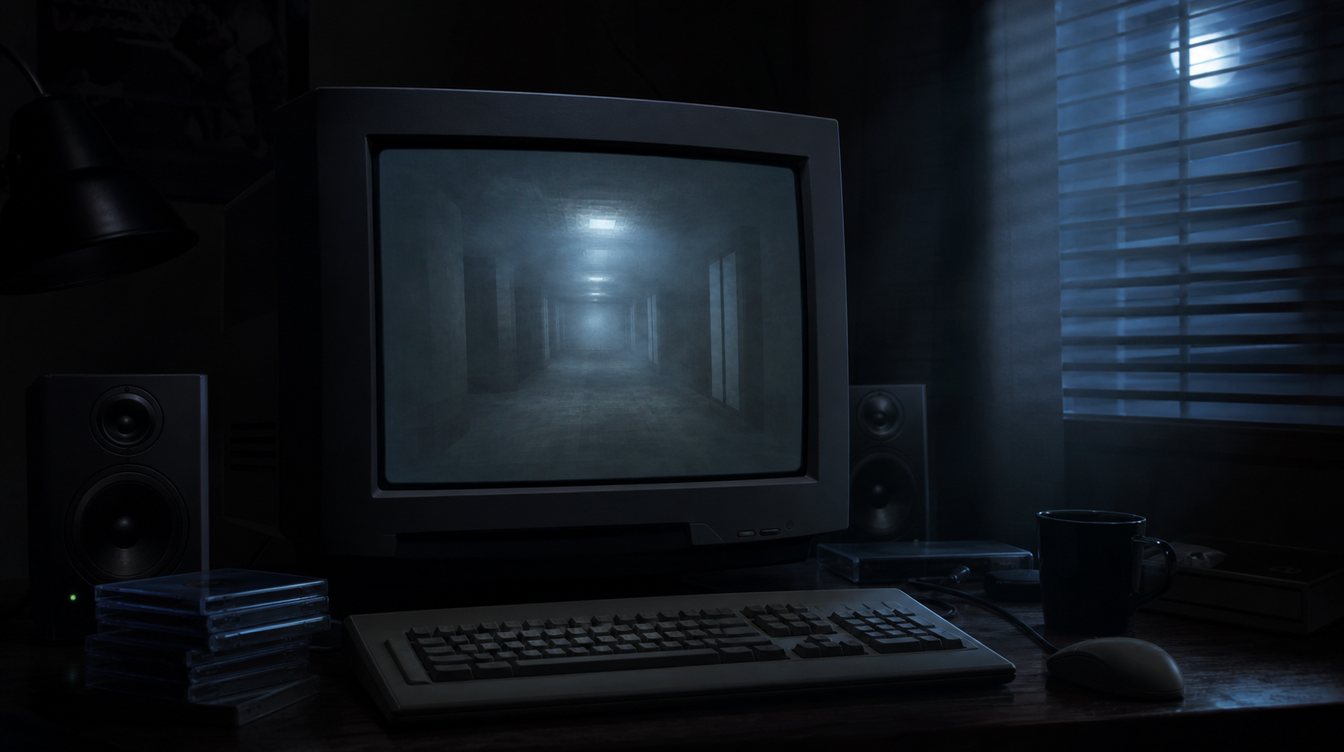
Atmosphere often came from what the player could not see. A corridor fading into darkness, a distant sound effect or a loading pause could create tension because the hardware left space for imagination. The unknown did half the design work.
Controls also mattered. Modern players sometimes call older horror controls clumsy, but the friction often changed the emotional rhythm. Turning, aiming and retreating required commitment. That commitment made encounters feel risky.
Sound design carried enormous weight. A small ambient loop, a sudden noise or silence after a long passage could define a scene. Horror archives should preserve audio context where possible because screenshots alone cannot explain the experience.
Searches for old horror games are often visual and emotional: "foggy 90s horror game", "old PC scary game", "fixed camera horror" or "retro survival horror". Good metadata, genre tags and screenshots help turn those memories into discovery paths.
VG90 treats retro horror as a design tradition built from limitations. The goal is not only to list scary games, but to explain how older technology created fear with suggestion and restraint.