Shareware was one of the smartest distribution systems in game history. Instead of asking players to buy a boxed game first, developers gave away a substantial first episode or limited version. If players liked it, they could order the full game. The model was simple, but its cultural effect was enormous.
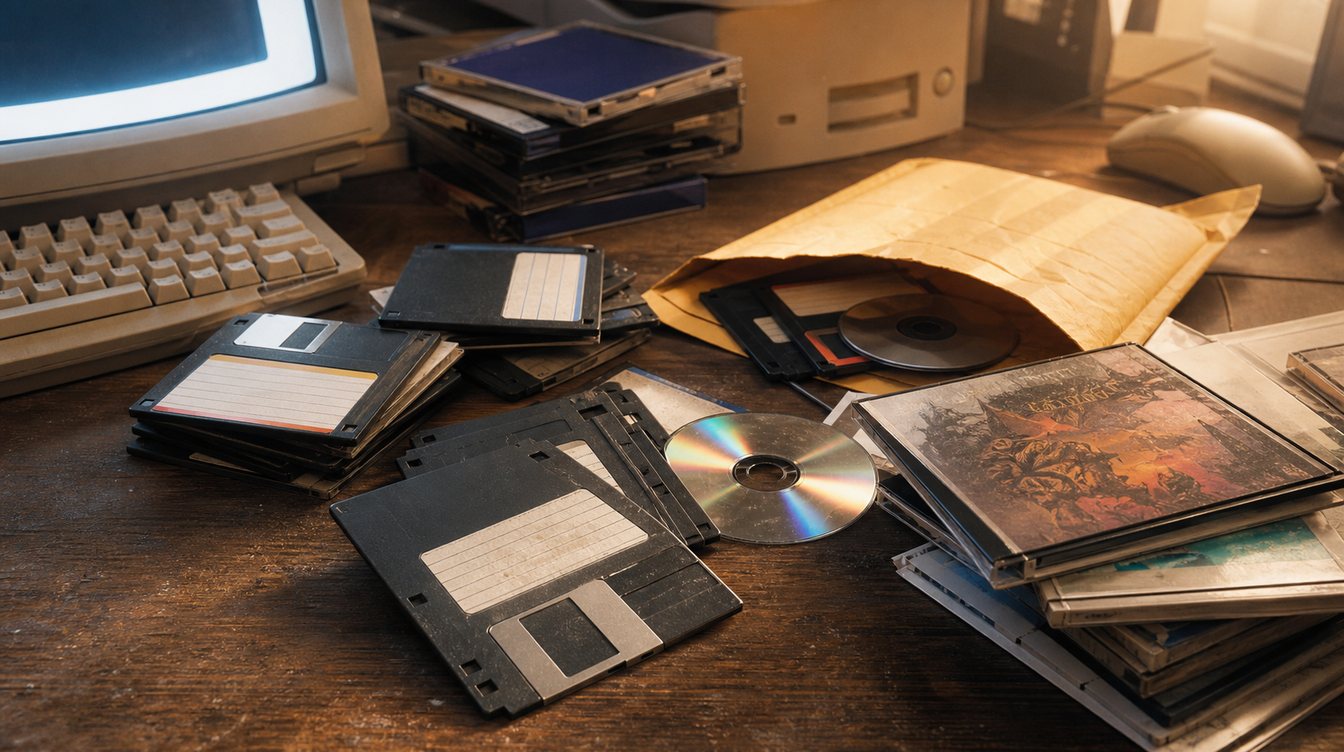
For PC players in the 90s, shareware was discovery. A disk from a friend, a magazine CD, a bulletin board download or a compilation sold cheaply in a shop could introduce an entire studio. A player did not need to know the publisher, read a review or trust a box cover. The game could prove itself directly.
That pressure shaped design. A shareware game needed a strong first level, a clear hook and enough polish to make the player want more. It could not hide its best ideas until hour ten. In many cases, the shareware episode became the most remembered part of the game because it was the part everyone played.
Shareware also made weird PC games possible. Console retail was expensive and controlled. PC shareware could be messy, personal, technical, funny and experimental. Puzzle games, shooters, platformers, roguelikes, strategy games and utility-like simulations all spread through the same informal channels.
From an archive perspective, shareware matters because it creates version complexity. A single title might have a shareware episode, registered version, retail edition, expansion, regional release and later freeware release. Good metadata should separate those versions instead of flattening them into one vague entry.
Modern demos, early access and free-to-play all echo shareware, but they rarely capture its handmade energy. Shareware made PC gaming feel like a network before the web became normal: players passed files, tips and registration addresses around. It turned distribution into community.