Few platformers carry as much design history in as small a package as Prince of Persia. Its story begins not with the DOS release most players remember, but with years of quieter groundwork on a different machine entirely.
An Apple II Origin
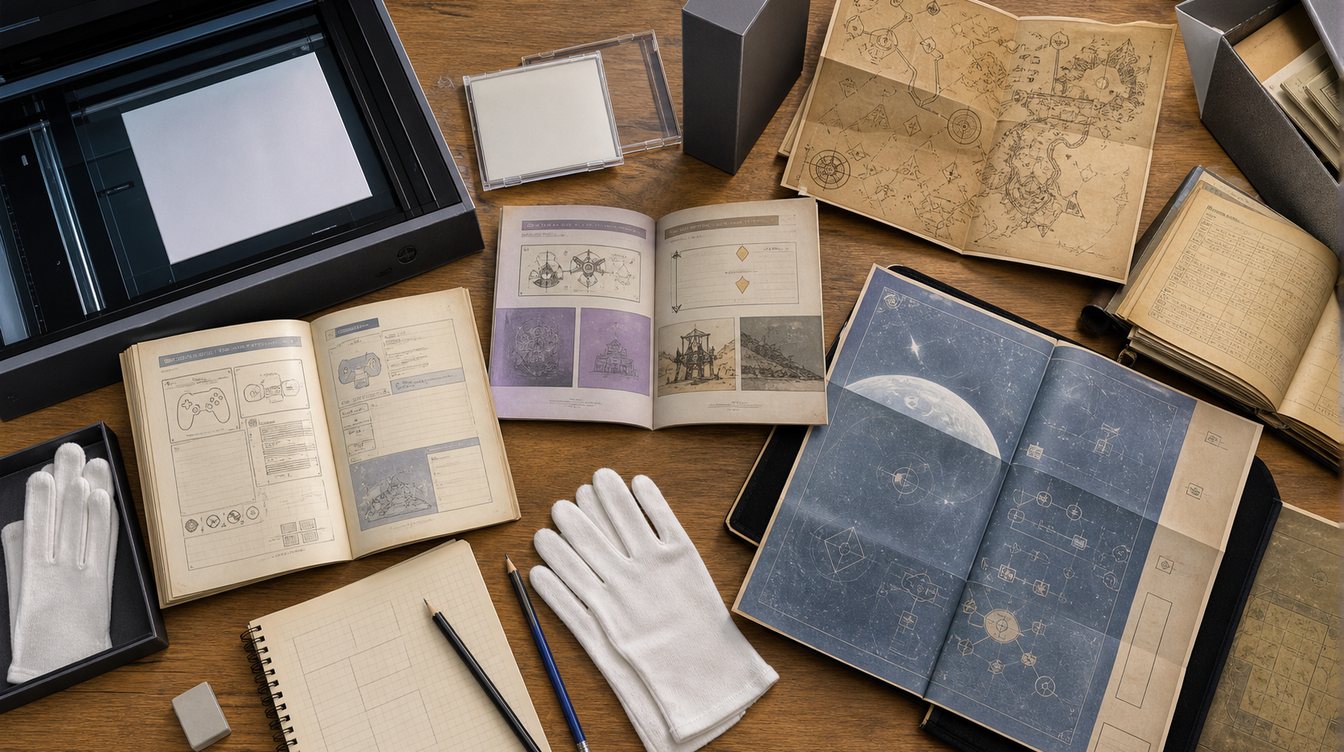
Jordan Mechner developed Prince of Persia for the Apple II, releasing it in 1989 after a long and reportedly difficult production process, following up on his earlier game Karateka with a much more ambitious vision of fluid, believable human movement. The Apple II version established the core structure — a race against a ticking clock, a palace full of traps, and a hero who moved unlike anything else on the platform.
The DOS Port Reaches a Global Audience
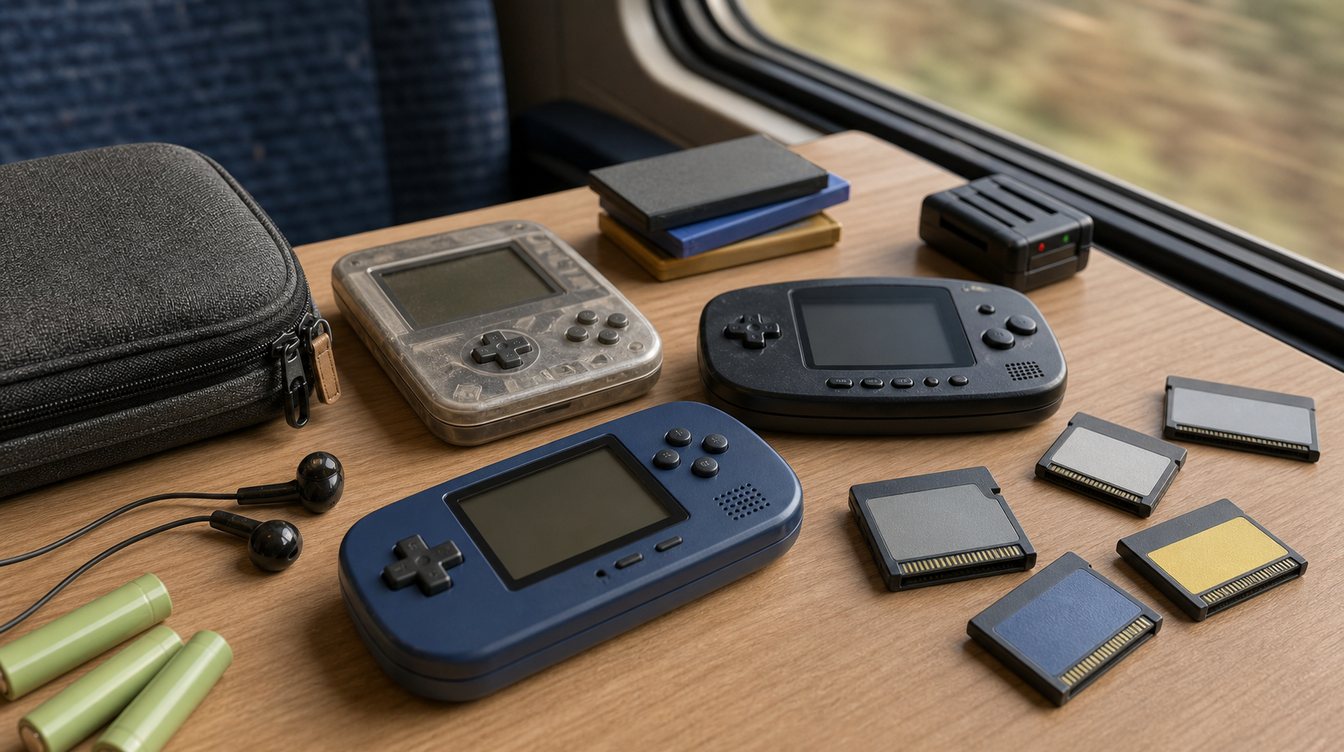
It was the DOS port, arriving in 1990, that carried Prince of Persia to the much larger international audience most retrospectives actually mean when they reference "Prince of Persia (1990)." VGA graphics and wider PC distribution gave the game a visibility the original Apple II release never achieved on its own, and this version is the game preserved on VG90's own game entry.
A Simple, Punishing Premise
The setup was straightforward: a captured hero has exactly sixty in-game minutes to fight through a trap-filled palace and rescue a princess before a forced marriage to the game's antagonist. That ticking clock, combined with permanent death and precise platforming, created tension almost entirely through structure rather than story exposition.
Why This Game Still Belongs in an Archive
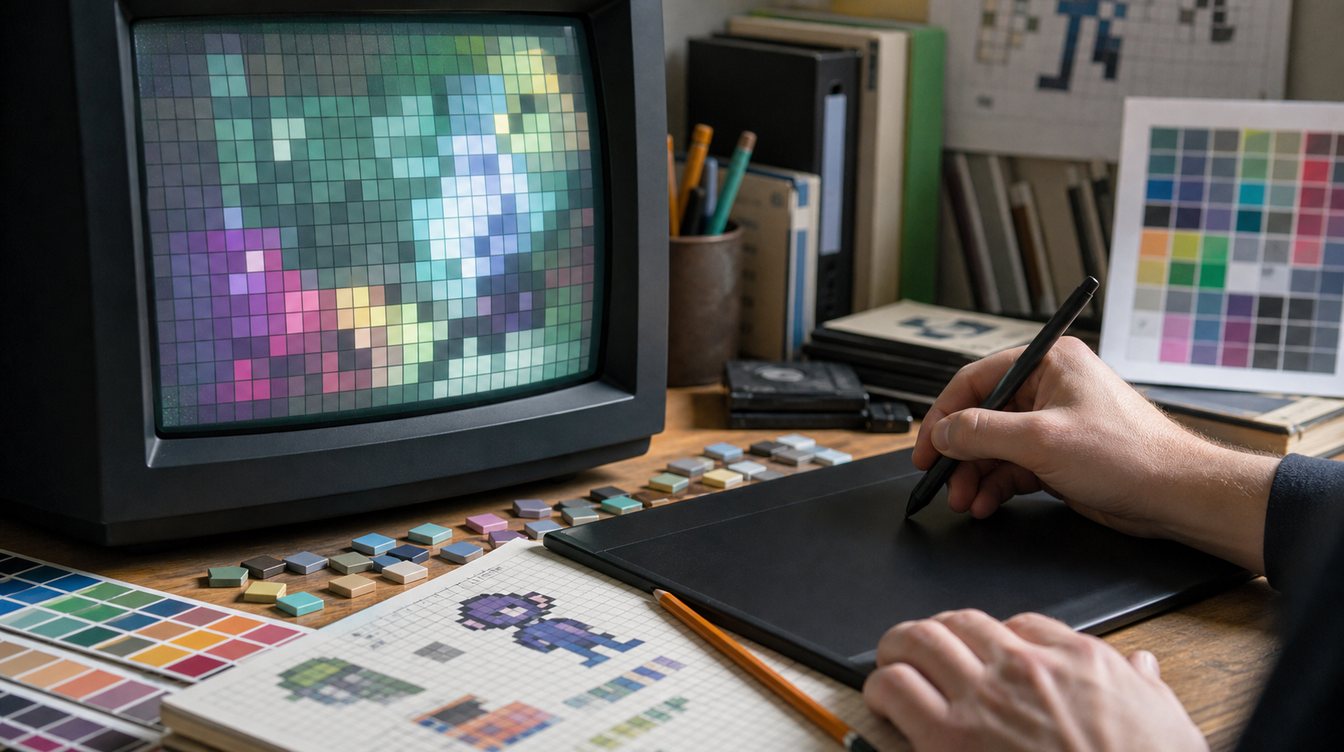
Prince of Persia's combination of realistic animation, tight platforming and a genuinely tense structure influenced platform and action-adventure design for well over a decade afterward. For the animation technique that made it possible, see How Rotoscoping Made Prince of Persia Move Like No Game Before It, and for how different versions of the game compare, see Prince of Persia Ports Compared.