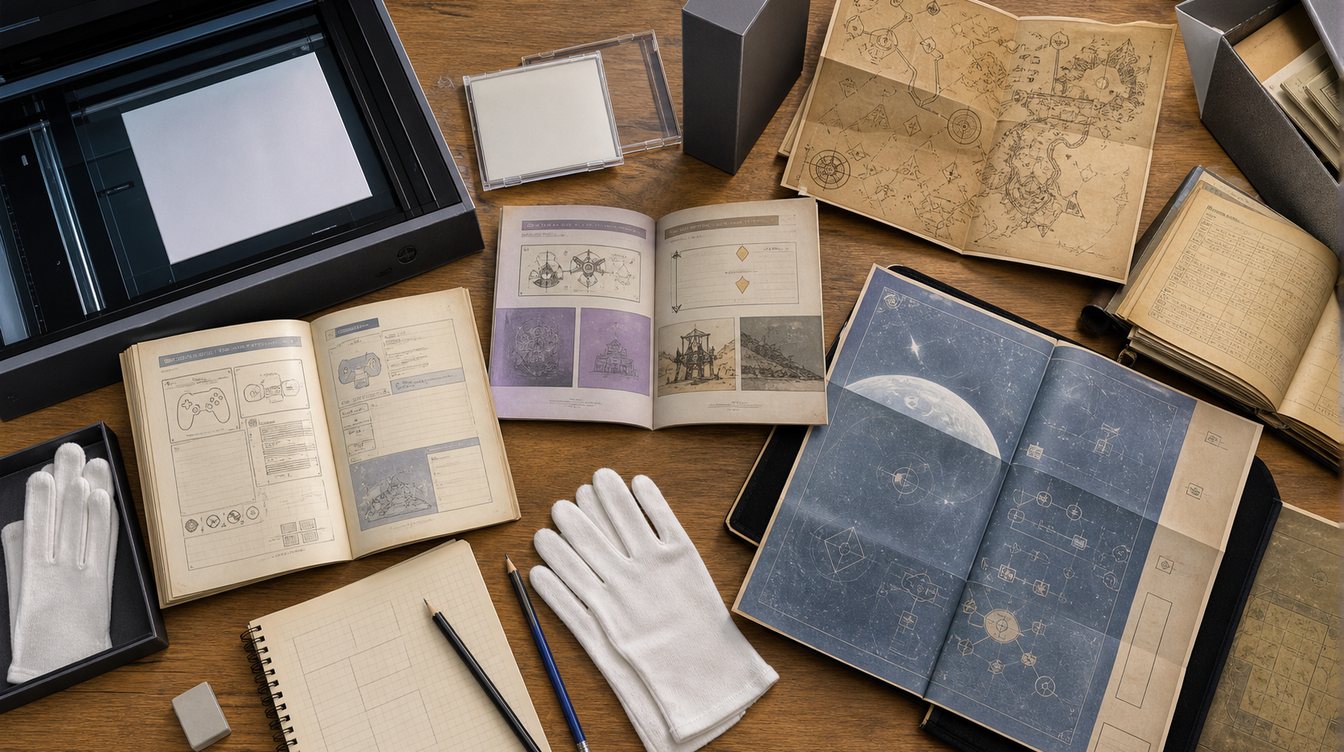
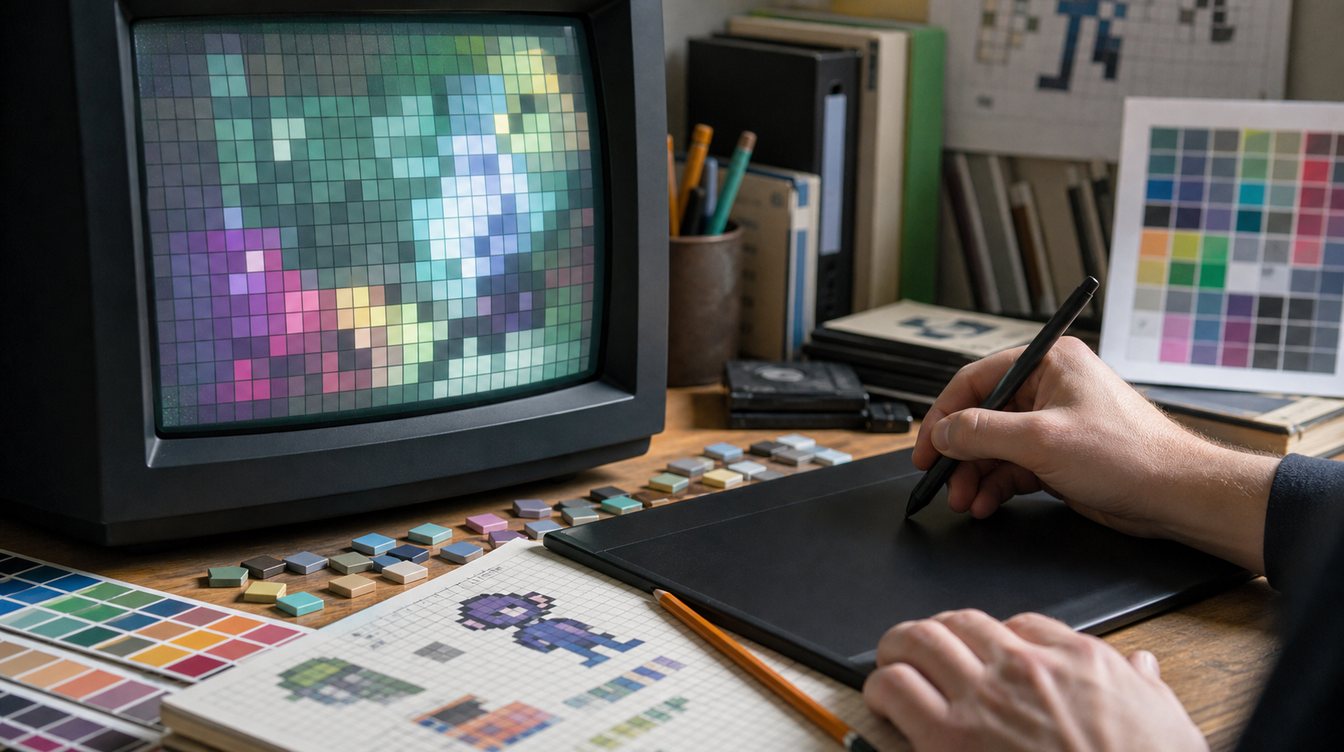
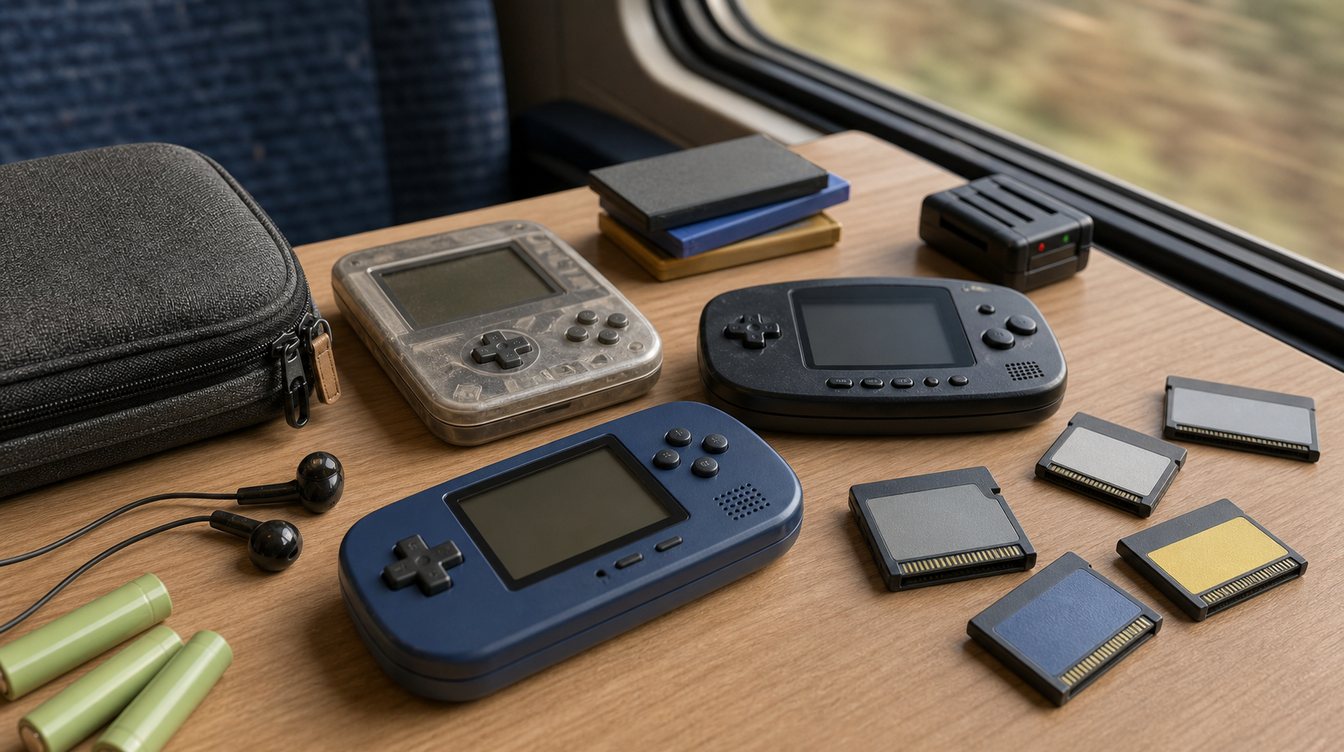
"Prince of Persia" is not one single, unchanging piece of software. The game reached players across several platforms in the years following its original release, each version shaped by the hardware it ran on.
The Apple II Original
The 1989 Apple II version established the core design and animation approach, running on hardware that, by the time of release, was already several years into its commercial life. Storage and processing constraints on this platform shaped how much animation and how many rooms the game's palace could realistically contain.
The DOS Version Most Players Remember
The 1990 DOS port, covered in full in the complete Prince of Persia history, added VGA graphics and reached a considerably larger international audience through PC distribution channels than the Apple II release had. For most players today, "Prince of Persia (1990)" specifically means this version.
Later Console and Handheld Adaptations
Following its initial computer releases, Prince of Persia was adapted to a range of home consoles and handhelds through the early 1990s, each requiring adjustments for different button layouts, screen resolutions and storage limits. These adaptations rarely changed the core level design, but control feel and pacing shifted meaningfully depending on the target hardware.
Why Comparing Ports Matters to Preservation
A single "Prince of Persia (1990)" catalogue entry can accidentally flatten real differences between versions that played, looked and even controlled differently. That is exactly the kind of nuance a retro gaming archive is built to hold onto, rather than treating every port as functionally identical.