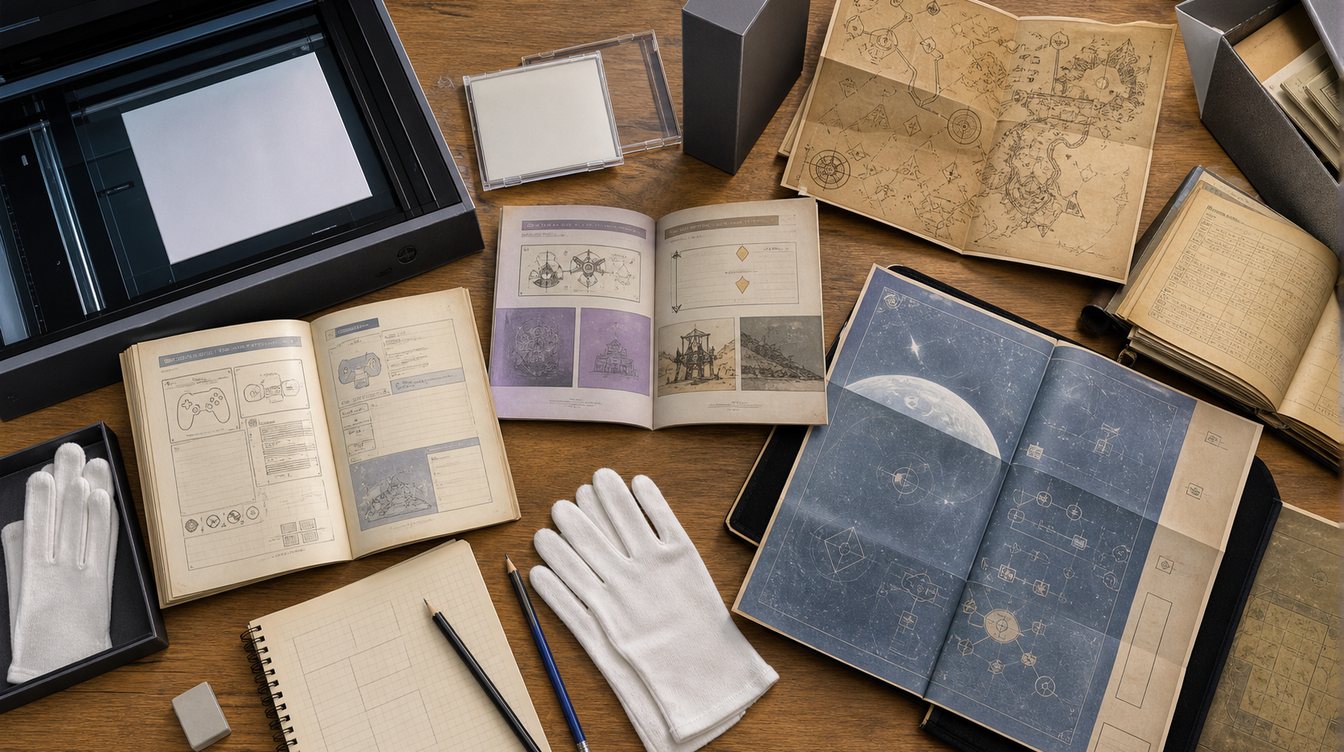
Simulation games ask a different question than most genres: not "can you win," but "what happens if you build this system and let it run." The 90s PC turned out to be an ideal home for that question.
City Builders Set the Template
Following the influential city-management model discussed in Best Retro Games of 1989, a wave of simulation games applied similar thinking to zoning, infrastructure and consequence-driven systems, letting players learn through observation rather than instructions. The appeal was watching a system respond to decisions, not chasing a fixed win condition.
Tycoon Games Add Business Logic
Tycoon-style simulations layered supply, demand, staffing and customer satisfaction onto a similar sandbox structure, applying it to theme parks, transport networks, and other business-shaped systems. These games rewarded players who enjoyed tuning a system incrementally, watching small adjustments ripple through simulated customers or passengers.
Life Simulation Removes the "Game" Entirely
By the end of the decade, life simulation games dropped conventional win conditions altogether, focusing purely on relationships, routines and the small consequences of everyday choices. This direction proved that a simulation could hold an audience's attention with no score, no combat and no end state at all.
Simulation's Lasting Commercial Weight
Several of the decade's best-selling PC games overall came from this genre specifically because they appealed well beyond typical "gamer" demographics. Browse the archive's genre listings and platform guide to see how simulation games are catalogued alongside strategy and RPG titles from the same era.