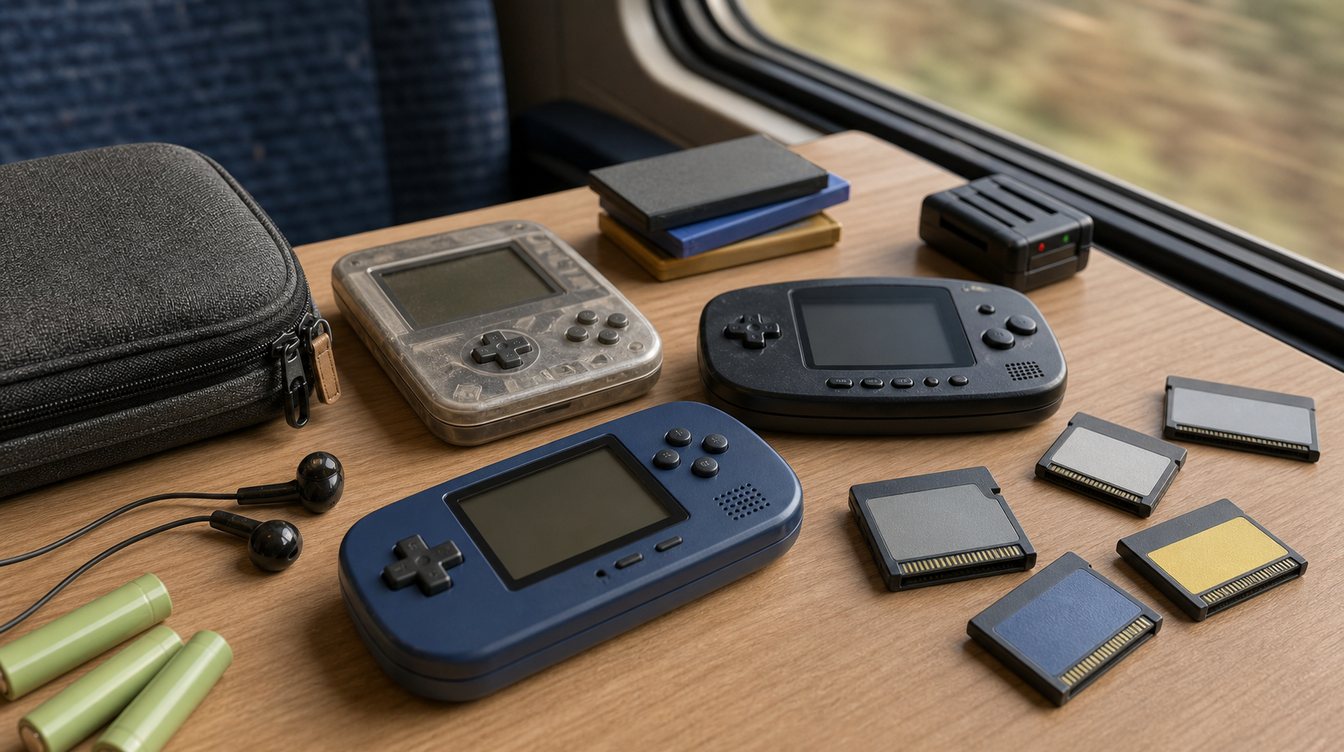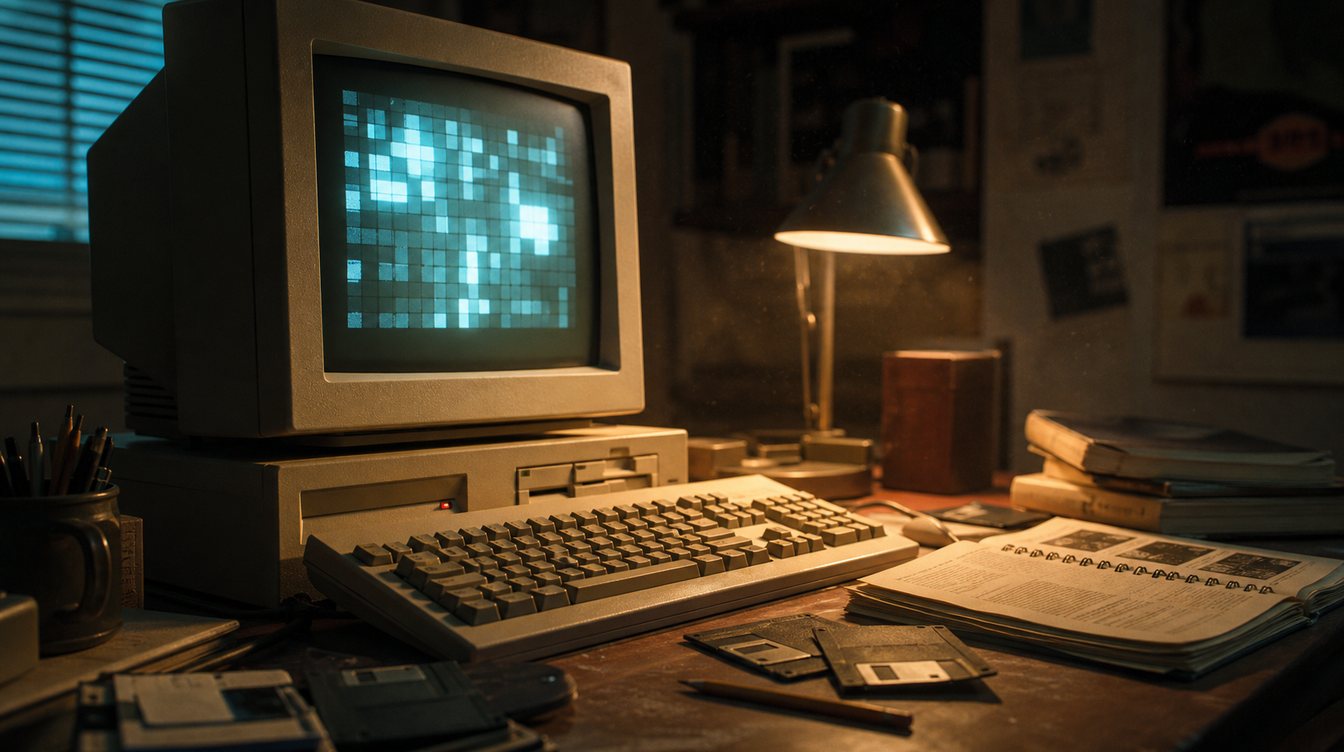
The phrase "best 90s DOS games" sounds simple, but it points to one of the richest periods in PC history. DOS was not a console with fixed rules. It was a moving target: sound cards, memory managers, VGA modes, CD-ROM drives, joysticks and modems all arriving at different speeds in different homes. That chaos is exactly why the DOS library is so deep.
The obvious classics are easy to name: first-person shooters that made the keyboard and mouse feel inevitable, adventure games with full voice acting, strategy games that turned a beige computer into a battlefield, and simulations that asked players to learn cockpits, economies and entire sports seasons. The important thing is not only which games were famous. It is how wide the catalogue became.
DOS games rewarded curiosity. A player might install a shareware episode from a magazine cover disk, discover a small developer, then mail away for the full game. Another player might spend weeks with a city builder, a flight sim or a role-playing game that came with maps and manuals thicker than modern quick-start guides. The PC was not built for one kind of player, so its games were not built for one kind of play.
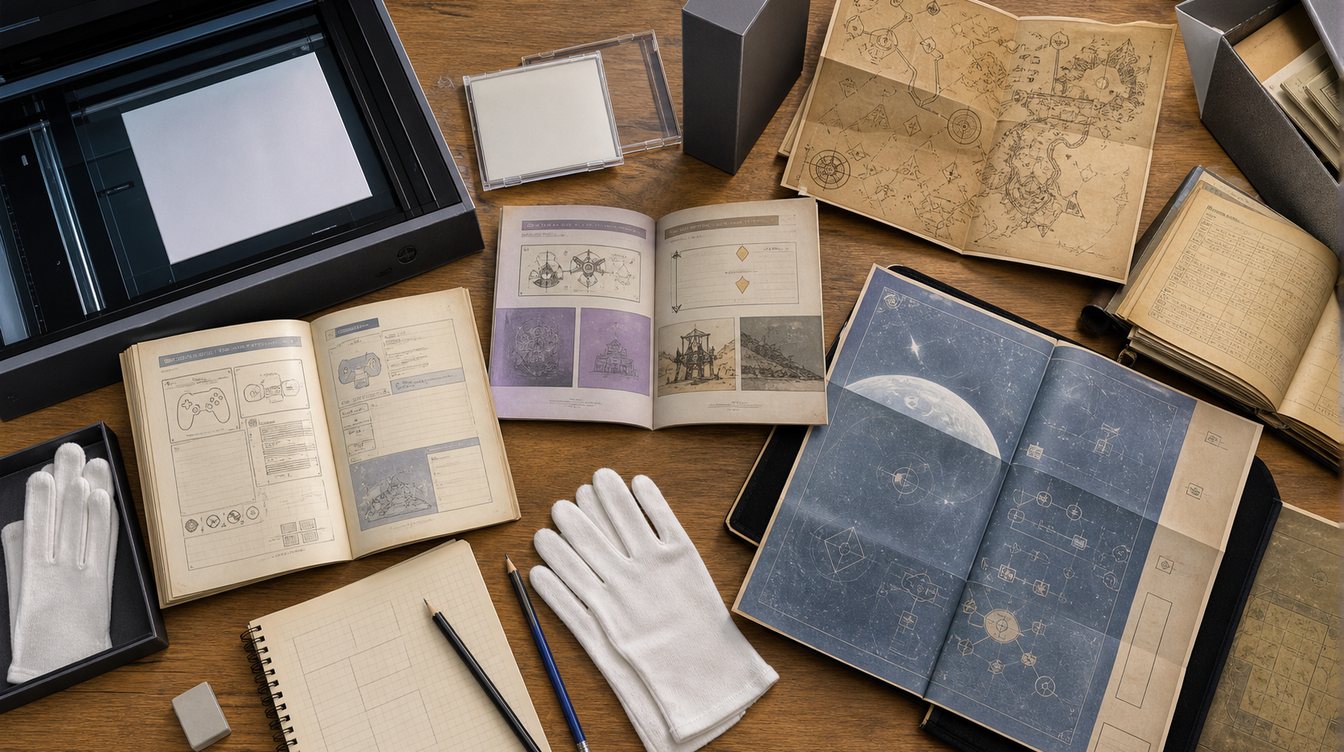
That variety is why a reference archive matters. A top-ten list can introduce the obvious landmarks, but it cannot preserve the texture of the era: regional releases, alternate titles, forgotten publishers, odd platforms, and games that were influential in one country but invisible in another. Search engines like lists, but players need context.
VG90 treats DOS games as historical entries first. Release year, platform, genre, developer, publisher, screenshots and legal status all help a visitor understand what a game is before asking where to play it. That structure also helps search engines match pages to real questions: "DOS racing game 1994", "old PC adventure game", "90s strategy DOS title" and thousands of long-tail searches that generic pages miss.
The best DOS games still matter because they show PC gaming becoming itself. The platform learned to be technical, flexible, experimental and personal. A good DOS archive should do more than celebrate the famous titles. It should make the whole ecosystem searchable again.