Classic 90s adventure games are among the most searched retro genres because they were built around memory. Players remember a room, a line of dialogue, a strange inventory item or a puzzle that held them for days. Those fragments become search queries decades later.
The point-and-click interface made adventure games accessible without making them simple. A mouse, a verb list or contextual cursor could turn a screen into a field of possibilities. The player was not testing reflexes. The player was reading a world, looking for rules hidden in jokes, props and conversations.
Writing carried the genre. Adventure games needed characters strong enough to justify slow progress and puzzle logic clear enough to feel fair after the solution. The best games made every description useful, funny or atmospheric. Even failure text became part of the reward.
The genre also shows why metadata matters. Many adventure games changed names by region. Some released on DOS, Amiga, Macintosh, Windows or CD-ROM editions with different audio and voice acting. A player searching for one version may not know the title used in another country.
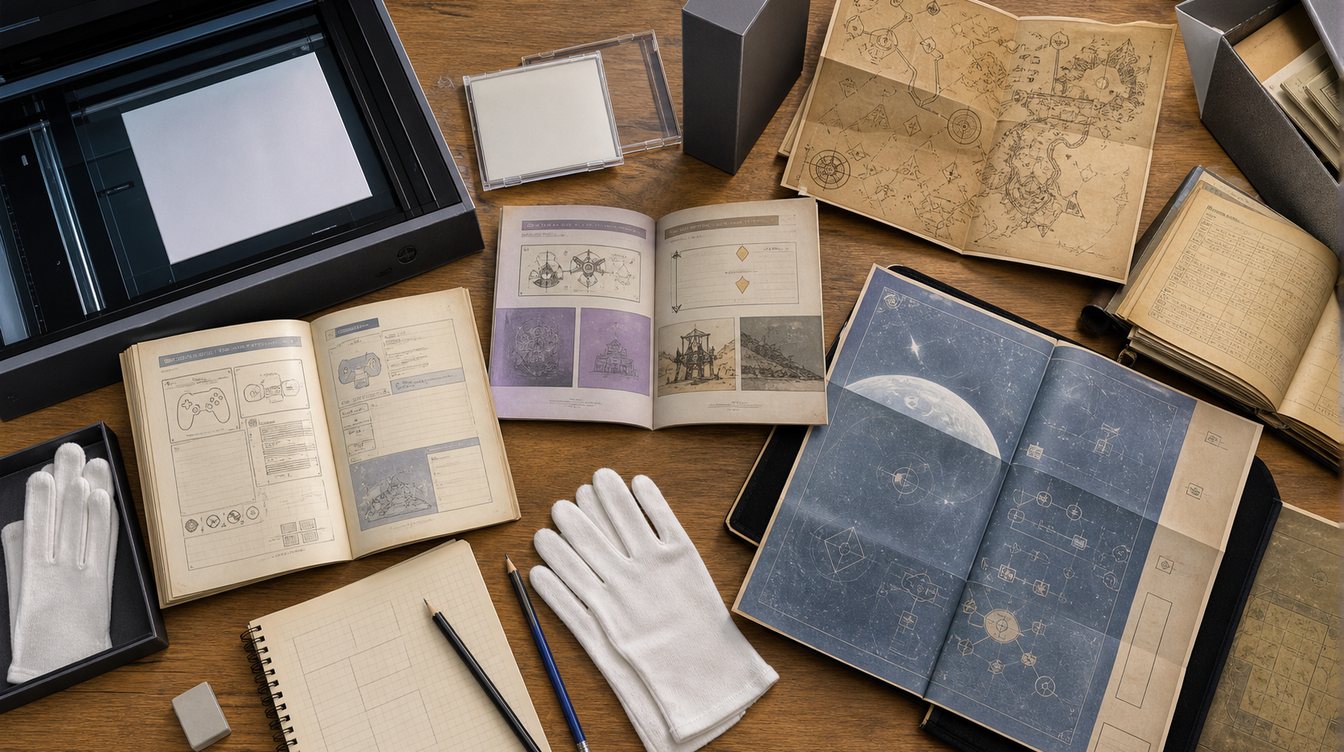
Screenshots are especially useful for adventure game discovery. A single room can identify a game faster than a cover image. Interface style, palette, cursor design and dialogue layout all act like fingerprints. That is why archives should preserve visual context, not just titles.
Point-and-click design still survives because it respects attention. It asks players to observe, infer and experiment. The best 90s adventure games are not just nostalgic stories; they are carefully authored spaces, and a good archive helps players find the exact room they remember.