// Archive entry № 28138
SimCity
- 1989
- Acorn 32-bit
- Amiga
- Amstrad CPC
- Atari ST
- BBC Micro
- C64
- CDTV
- DOS
- Electron
- FM Towns
- OS/2
- Sharp X68000
- Win
- Win 3.x
Will Wright's 1989 original: the game with no way to win, where zoning laws and power lines became entertainment for millions.
- Players
- Region
- Worldwide
Rate this game
About the game
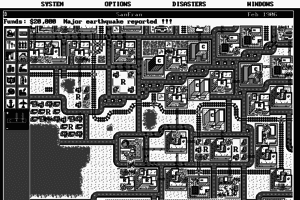
SimCity invented a genre by refusing to be a game in the usual sense. There is no enemy and no ending — just a patch of land, a treasury, and the R-C-I rhythm of residential, commercial and industrial zones waiting for roads and power. Demand breathes through the city organically: factories draw workers, workers demand shops, shops choke roads, and suddenly you are redesigning arterials at 2 a.m. because traffic has strangled downtown.
Will Wright's masterstroke was making infrastructure emotional. Crime maps, land values and pollution overlays turn spreadsheets into stories; a power failure cascades across neighbourhoods like a plague. Scenarios add stakes — 1906 San Francisco awaiting its earthquake, a monster stomping through Tokyo — but the sandbox is the real game, endlessly tinkerable and stubbornly honest about trade-offs.
Publishers famously passed on it for years because it couldn't be "won"; Maxis was founded to ship it anyway, and it became one of the most important PC games ever made — the proof that simulation could be play, and the ancestor of every builder and management game since.
Why it matters
SimCity created the software-toy category: open-ended simulation as mainstream entertainment. Every city builder, tycoon and management game descends from this design.
Technical notes
A cellular-automata-flavoured tile simulation light enough for late-80s hardware; the archive lists an extraordinary spread of ports, from DOS and Amiga to BBC Micro, Electron and FM Towns.
Files & downloads
VG90 is a reference and discovery archive. We do not host game files; download buttons lead to the external source listed for the entry.
Download// Keep exploring
Similar Games
 1989
1989
Bar Games
DOS Amiga
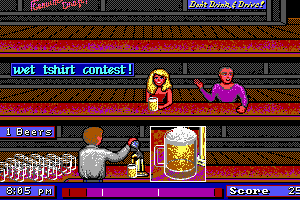
Bar Games is a 1989 entry from the 8-bit home-computer and console era, preserved here as…
View details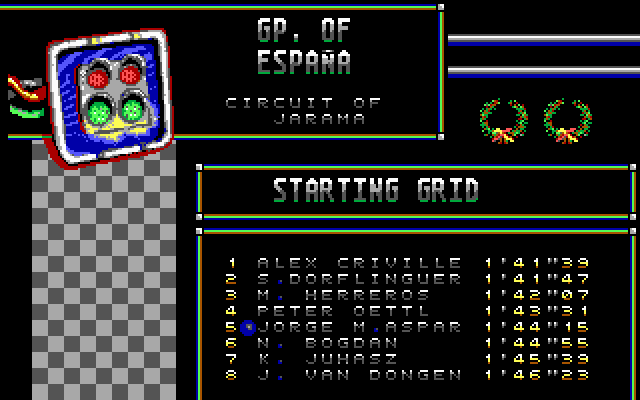 1989
1989
Grand Prix Master
DOS Amiga C64
From the 8-bit home-computer and console era, Grand Prix Master (1989) is documented in…
View details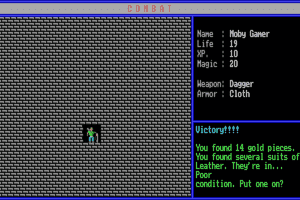 1989
1989
Vampyr: Talisman of Invocation
DOS
VG90 catalogues Vampyr: Talisman of Invocation (1989), a release from the 8-bit…
View details 1989
1989
California Pro Golf
DOS C64
Released in 1989, California Pro Golf is indexed by VG90 as part of the 8-bit…
View details