About the game
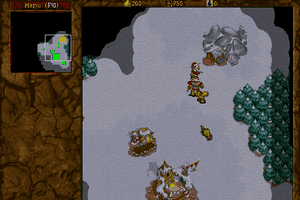
Warcraft II: Tides of Darkness is where Blizzard's house style snapped into focus. The orcish Horde and human Alliance return with doubled scope — war now spans seas and skies, with oil as a third resource fueling destroyers, transports and battleships, while dragons and gryphon riders duel overhead. Fog of war turns scouting into a discipline; the unexplored map is black, the explored-but-unwatched map merely grey and full of lies.
Its personality did as much work as its systems. Units bark increasingly exasperated responses when clicked too often, portraits gurn and growl, and the whole conflict carries a Saturday-morning brutality that made the grim fantasy approachable. Campaign missions alternate between the factions, building the Azeroth mythology that would eventually carry an entire cultural franchise.
Crucially, the box included the map editor, and dial-up services carried the multiplayer. Between custom scenarios and ladder matches, Warcraft II became many players' first persistent online strategy habit — the rehearsal space for everything StarCraft and Battle.net would formalise three years later.
Why it matters
Warcraft II codified the modern RTS package: asymmetric campaigns, fog of war, naval/air layers, personality-rich units and a bundled editor. It built the audience and mythology Blizzard's empire stands on.
Technical notes
SVGA sprite engine at 640x480 — a visible leap over its VGA rivals — with the PUD map format openly editable. The archive documents DOS and Mac releases.
Files & downloads
VG90 is a reference and discovery archive. We do not host game files; download buttons lead to the external source listed for the entry.
Download// Keep exploring
Similar Games
 1995
1995
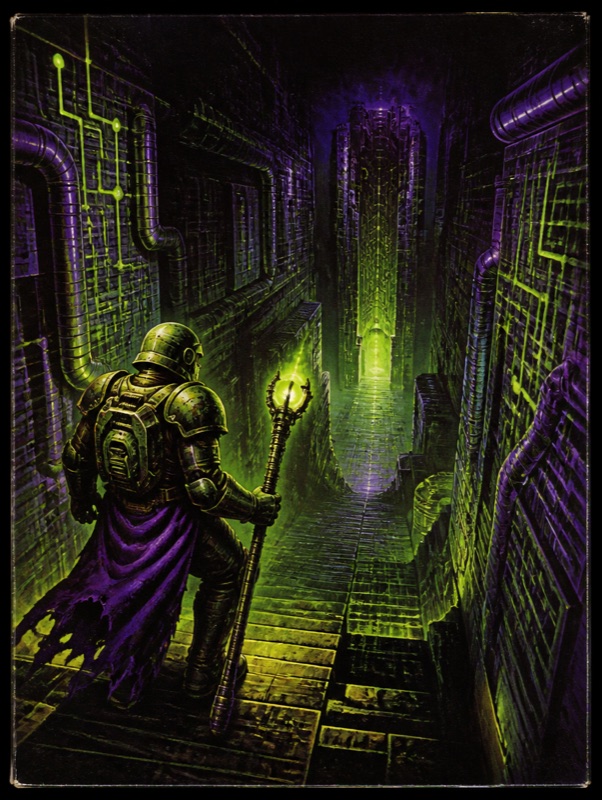
Cyber Dungeon DX
Vectra 32
A first-person dungeon crawler where the dungeon is a mainframe: hack doors, splice…
View details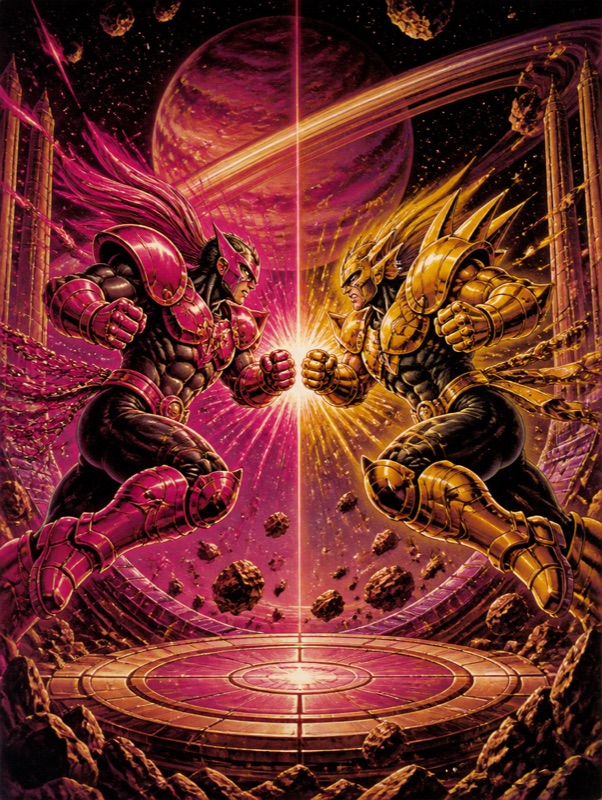 1995
1995
Astro Fist Arena
Vectra 32 ArcadeWorks
Zero-G arcade fighting above a ringed planet: eight orbital gladiators, wall-bounce…
View details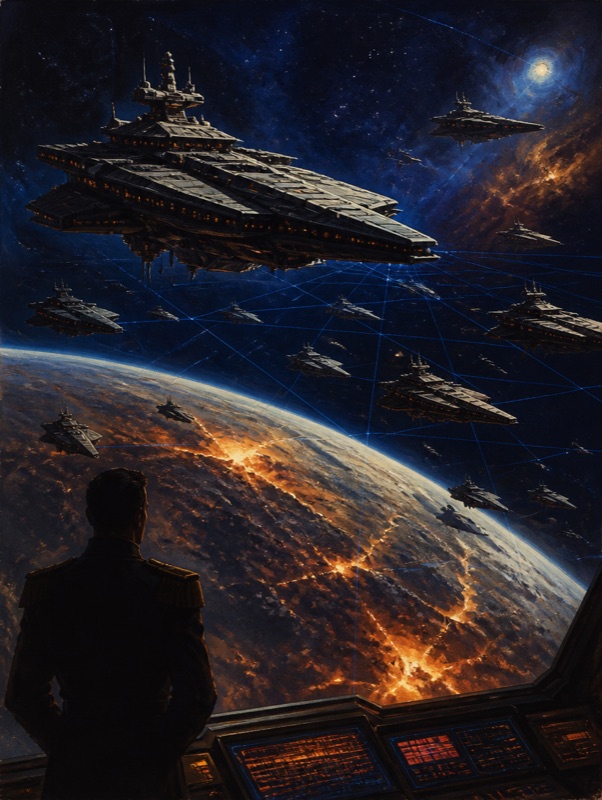 1995
1995
Starfall Tactics 95
Home Computer (DOS)
Turn-based fleet tactics above dying worlds: facing matters, wrecks become cover, and…
View details 1995
1995
Sky Merchant
Home Computer (DOS)
Trade among floating islands with a hand-drawn ledger: winds are your roads, storms your…
View details